EN

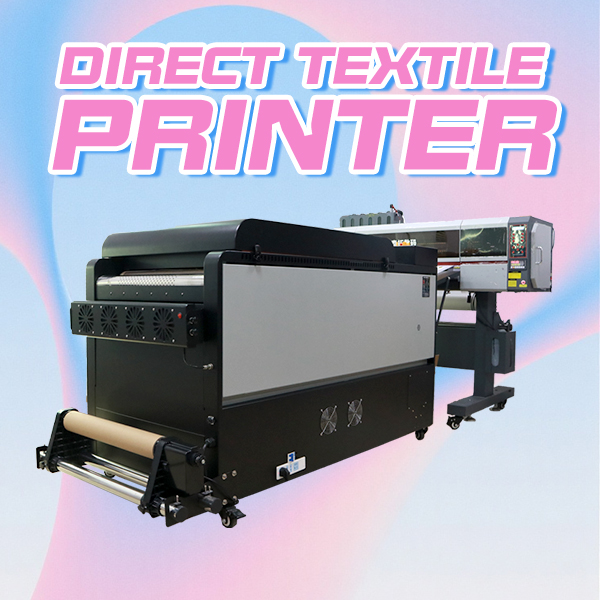
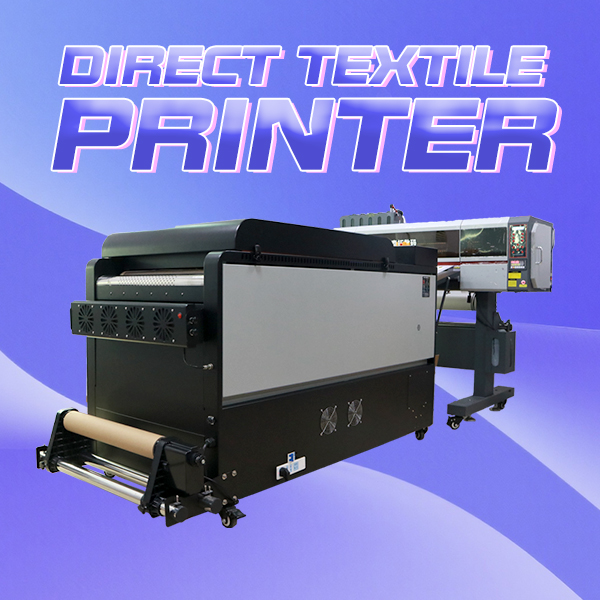
A direct textile printer is an essential tool for businesses looking to enhance their textile printing capabilities, particularly in the custom apparel and promotional goods sectors. With the rise of demand for personalized products, understanding how to select the right direct textile printer is crucial for purchasing managers and product managers alike. This article addresses key buyer concerns such as quality, application suitability, installation guidance, and the unique features that digital textile printer offer, helping you make an informed purchasing decision.


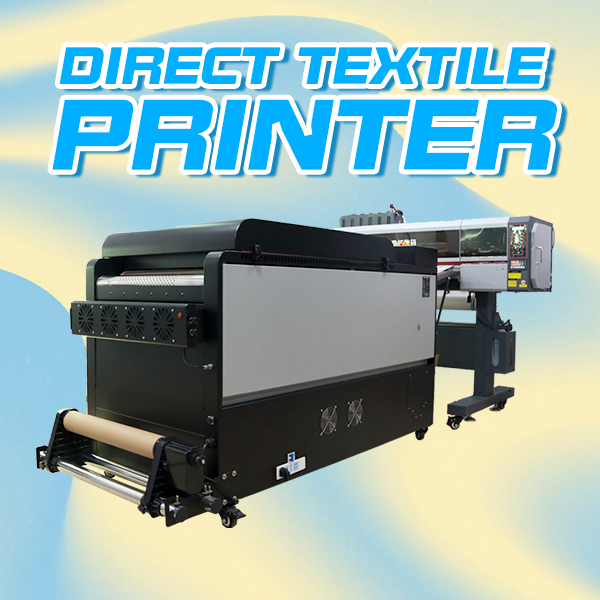
Evaluating Quality Standards in Direct Textile Printer Manufacturing
When evaluating quality standards in direct textile printer manufacturing, look for compliance with recognized quality management systems, such as ISO9001. This certification indicates that the manufacturer adheres to strict quality control processes, ensuring that each direct textile printer meets high-performance quality standards.
Inspect the materials used in the printer's construction. High-quality components contribute to better durability and performance, impacting the machine's overall lifespan and reliability. Additionally, inquire about the quality control measures in place during production. Manufacturers should have rigorous testing protocols to ensure that each machine operates optimally before leaving the factory.
Ask for samples printed on various substrates to assess the quality of output. This practical evaluation allows you to see firsthand the level of detail and color accuracy the direct textile printer can achieve, which is critical for high-stakes applications in fashion or branding.