Key Specifications of Digital Textile Printers

Get a Free Quote

Our representative will contact you soon.
Email
Mobile/WhatsApp
Name
Company Name
Message
0/1000

Digital textile printer

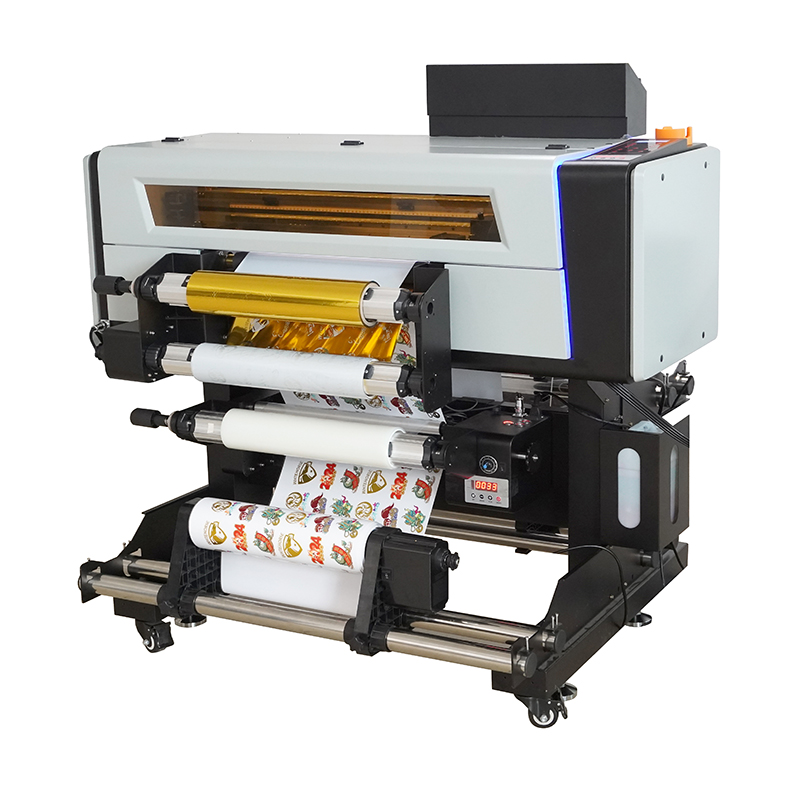
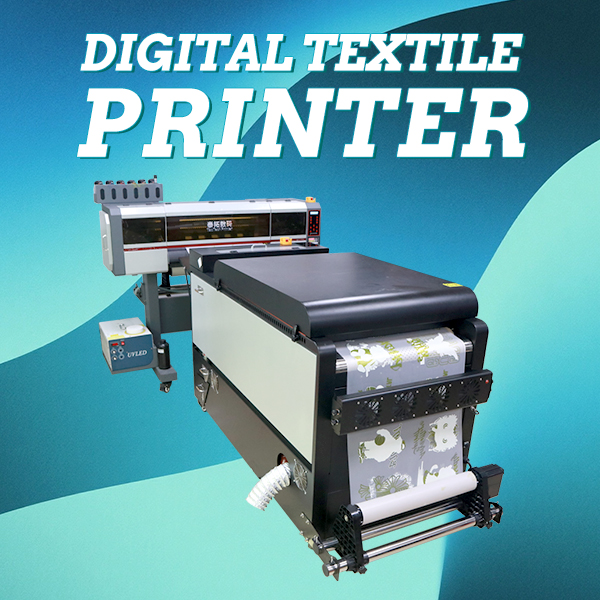
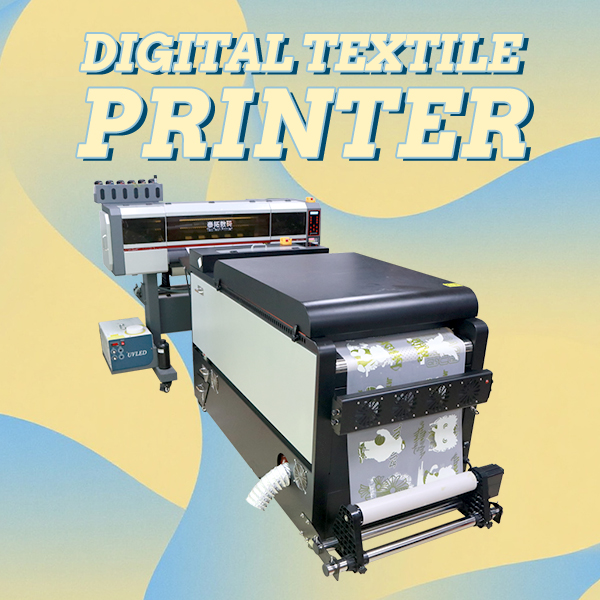
Digital textile printers are advanced machines designed to print speed high-quality images directly onto fabric, making them a vital tool for manufacturers in the textile industry. When evaluating a digital textile printer, buyers often prioritize factors such as print speed,  resolution resolution, reliability, and overall cost-effectiveness.  This article aims to guide purchasing managers and decision-makers through the essential specifications, features, common challenges, best practices, and cost factors associated with digital textile roll label printer. 

Our Products

Features and Benefits

Features and Benefits

Digital textile printers come equipped with a variety of features designed to enhance performance and usability. Here are some notable features along with their benefits:

Automatic Calibration: Many modern printers include automatic calibration systems, which help maintain consistent color and print speed quality. This feature reduces the manual intervention required and minimizes the risk of errors. 

Eco-friendly Inks: With growing environmental concerns, many manufacturers are now offering eco-friendly ink options that reduce harmful emissions and waste. These inks often meet stringent environmental regulations, making them suitable for sustainable operations. 

User-friendly Interfaces: Intuitive control panels and software allow operators to easily manage print speed jobs, adjust settings, and monitor performance in real-time. This ease of use can significantly reduce training time for new staff. 

Integrated Drying Systems: Integrated drying systems can speed up production times by allowing print speed to dry quickly, which is especially beneficial in high-volume settings. 

Versatility: Digital textile printers can handle various applications, from fashion and home décor to promotional items. This versatility allows businesses to diversify their product offerings without investing in multiple machines. 

These features not only streamline the printing process but also contribute to higher-quality outputs, ultimately enhancing customer satisfaction. 
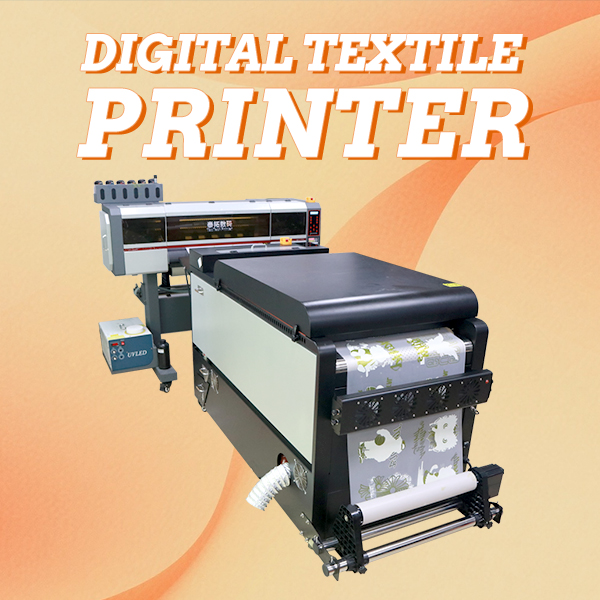
Common Problems with Digital Textile Printers and Their Solutions

Common Problems with Digital Textile Printers and Their Solutions

While digital textile printers offer numerous advantages, they can also present challenges. Understanding these common problems and their solutions can help buyers make informed decisions. 

Clogged Print Heads: Inkjet printers can experience clogged print heads, leading to inconsistent print quality. Regular maintenance, such as scheduled cleaning cycles and using high-quality inks, can help prevent this issue. 

Color Consistency Issues: Variability in color outputs can occur due to several factors, including ink quality and media type. Implementing color management systems and conducting regular calibration can mitigate these inconsistencies. 

Fabric Compatibility Problems: Not all fabrics are suitable for digital printing, which can result in poor adhesion or bleeding of colors. Buyers should always test a small fabric sample before committing to large print runs. 

Software Compatibility Issues: Compatibility between the printer's software and design files can lead to production delays. Ensuring that the design software is up-to-date and compatible with the glass cup printer specifications can help streamline the workflow. 

By proactively addressing these challenges, businesses can enhance their operational efficiency and product quality. 

Best Practices

Best Practices

To maximize the investment in a digital textile printer, buyers should consider implementing the following best practices:

Conduct Thorough Testing: Before finalizing a printer purchase, businesses should conduct thorough testing with different fabric types and designs to ensure compatibility and quality. 

Regular Maintenance: Establish a regular maintenance schedule to keep the printer in optimal condition. This includes cleaning print heads, checking ink levels, and updating software. 

Train Staff: Investing in staff training can significantly enhance operational efficiency. Well-trained operators can troubleshoot issues quickly and ensure the printer is used to its full potential. 

Monitor Production: Keeping a close eye on production metrics can help identify trends or recurring issues. This data can be invaluable for making informed adjustments to improve efficiency. 

Engage with Suppliers: Building a solid relationship with the printer manufacturer can provide access to valuable support and resources, including troubleshooting assistance and updates on new features. 

Following these practices can lead to more efficient printing operations and a higher return on investment. 

Cost Factors to Consider When Buying Digital Textile Printers

When budgeting for a digital textile printer, several cost factors must be considered beyond the initial purchase price. 

Operating Costs: This includes expenses for ink, maintenance, and energy consumption. Understanding the total cost of ownership over time can help buyers make more informed decisions. 

Ink Costs: Different ink types vary in price and yield. Buyers should evaluate how much ink is required for their typical print jobs and factor this into their operating budget.

Maintenance Costs: Regular maintenance may involve costs for cleaning supplies, replacement parts, and service contracts. Buyers should inquire about these costs when evaluating potential printers. 

Training Costs: Investing in training for staff to operate the printer effectively can incur additional costs but is essential for maximizing productivity and minimizing errors. 

Space Requirements: Consideration of the physical space needed for the printer, including ventilation and access for maintenance, can impact facility costs. 

By accounting for these factors, businesses can develop a comprehensive understanding of their financial commitments when investing in a digital textile printer, ensuring they choose a solution that fits their budget and operational needs. 

Key Specifications to Evaluate in Digital Textile Printers

When assessing digital textile printers, several key specifications play a critical role in determining the machine's suitability for specific applications. 

Print Resolution: Measured in dpi (dots per inch), print resolution influences the clarity and detail of images. A higher dpi typically results in better image quality, essential for intricate designs and high-definition printing. 

Print Speed: This specification indicates how quickly the printer can produce fabric print speed, usually measured in square meters per hour. Faster print speeds can enhance productivity, especially for large-scale operations. 

Ink Type: Digital textile printers utilize various ink types, including reactive, disperse, and pigment inks. Each type has unique properties, influencing color vibrancy, durability, and fabric compatibility. 

Printing Width: The maximum width the printer can handle affects the types of textile applications it can accommodate. Buyers should consider their specific fabric sizes when evaluating this specification. 

Media Compatibility: Understanding what types of fabrics the printer can handle is crucial. Some printers can print on a wide range of materials, including cotton, polyester, and blends, while others may have limitations. 

Color Gamut: A printer's color gamut determines its ability to reproduce colors accurately. A broader color gamut allows for more vibrant and varied designs. 

Maintenance Requirements: Regular maintenance is essential for ensuring printer longevity and consistent output quality. Buyers should inquire about maintenance intervals and associated costs. 

By carefully evaluating these specifications, buyers can select a digital textile uv label printer that aligns with their production needs and quality expectations. 

Our Blog Posts

Cost-Benefit Analysis of UV DTF Printer Suppliers

08

Oct

Cost-Benefit Analysis of UV DTF Printer Suppliers

When you are looking for the best UV DTF printer sellers, you will want to consider the cost and what you will get out of it. One of the best options is our Titanjet. We carry top-quality UV DTF printers that are great for a wide range of printing re...
View More
The Improvement of Production Efficiency by Automation Functions of A3 UV DTF Printers: How automation functions reduce user errors and maintenance time, thereby improving production efficiency

30

Jun

The Improvement of Production Efficiency by Automation Functions of A3 UV DTF Printers: How automation functions reduce user errors and maintenance time, thereby improving production efficiency

Titanjet has made this really nice machine, the A3 UV DTF printer. This printer is special because of its automation features. Those functions make people work better and much faster. And also, fewer mistakes happen. In a factory, time is super impor...
View More
Exploring how Crystal Label Printer enhances label quality and added value in high-end gift packaging label printing through innovative processes such as hot stamping and double-sided printing

30

Jun

Exploring how Crystal Label Printer enhances label quality and added value in high-end gift packaging label printing through innovative processes such as hot stamping and double-sided printing

Investigating how Crystal label printer improve the quality of labels and added value in high-end gift packaging label printers market with innovation. Getting Better Labels Out Of Your Crystal Label PrinterGift packaging labels of good quality ...
View More
Fix Color Cast and Banding: A 4Step Calibration Guide for Color Digital Printers

30

Jun

Fix Color Cast and Banding: A 4Step Calibration Guide for Color Digital Printers

When you print pics or designs on a digital printer, you want the colors to look just right. Sometimes, colors looks strange or not match what on screen. This often due to color cast and banding. Color cast happen when photo have unwanted tint, like ...
View More

Get a Free Quote

Our representative will contact you soon.
Email
Mobile/WhatsApp
Name
Company Name
Message
0/1000
Key Specifications of Digital Textile Printers

Get a Free Quote

Our representative will contact you soon.
Email
Mobile/WhatsApp
Name
Company Name
Message
0/1000