EN
EN
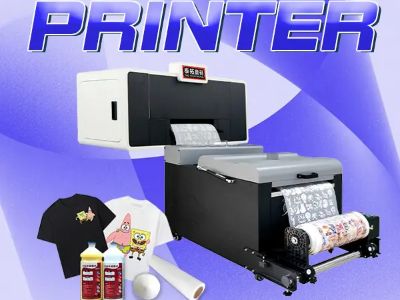
If it comes to customized clothing people always ask about the difference between the printing techniques DTF, DTG and screen printing. All these three have their advantages and disadvantages. If you need personalized clothing but it is not in big batches, then you should be aware of the specific differences. Titanjet guides you to choose the right option for yourself. If you own a small business or you are looking for printed t-shirts to a specific event then you know the differences and that is all that is required.
How to choose between DTF and DTG when producing custom clothing:
Choosing between DTF and DTG can be a bit difficult. The first thing that one needs to consider is the design of the custom apparel. A high resolution detailed design with many different colors can better be produced using a DTG printer, whereas a more simpler design is usually preferred using DTF. A DTG machine works in a very similar way as an inkjet printer, and you can spray directly onto the fabric, ideal for t-shirts with vibrant, color-rich graphics. The printing using the DTF technology takes design using an intermediary film, and then presses it onto the fabric using a heat press. This process is faster for small runs of clothing because you can print a variety of designs on the same sheet. Fabric types play an important role as well, with DTG technology typically suited to cotton and cotton blends, whereas DTF machines offer a greater versatility when it comes to fabric choices and can be used for a broader range of garments such as polyester or other man-made blends. Lastly, costs have to be taken into consideration. DTG machines are costly to operate due to the constant upkeep of inks and maintenance required to ensure perfect print quality, however DTF is typically more economical to use with small batches of printing, thus making it a more favorable option when ordering for individual gifts or event purposes. In general, both can print the exact same final product, though it takes longer, and is thus less cost effective than other options.
Advantages of using DTF over DTG for small batch orders
The process also holds its advantages when used on small orders or customized garments. The first of these main benefits is that it is fast. By using a DTF printer a finished output is available for printing extremely rapidly, requiring minimal set-up or break-down compared to that which may need to be performed on a DTG machine. A second benefit to the DTF printer is the large variety of fabrics available. Cotton, polyester and mixed materials can be successfully printed on as the printer can successfully deal with varying characteristics within different fabrics; this would prove ideal for companies who need a broad spectrum of personalized clothing. Color intensity and washability are also superior qualities on a DTF printer when compared to other methods as the ink holds the color and resists fading well; crucial for clothing which is washed and worn numerous times.
Additionally to this a benefit which comes with using DTF is that any mistakes made at the time of heat pressing can be very easily corrected; an error found on a heat-press can be dealt with with an easy re-press, however an error at the heat-pressing stage using a DTG printer will result in a waste of time, ink and materials. This has a vast impact on costs when producing small runs or large orders, and therefore makes it an effective method for producing many different types of personalized clothing. According to Titanjet "Knowing the technical aspects and the differences of the machine and printer helps us in choosing the most appropriate method for any custom T-shirt and any type of garment." The main reason to use DTF over DTG is that this will impact a lot on the end result of a custom garment.
Custom clothes in small quantities-screen printing, DTF and DTG
The two methods widely preferred when it comes to the production of small amounts of custom clothes are Screen printing and DTF and DTG machines respectively. Each printing method utilizes their very own unique printing technology with regards to quality and cost, whereas Screen Printing uses a stenciling method of pushing ink through the screen onto fabric for brightly colored and durable images, ideal for few colored designs but is often more expensive than DTF machines due to the significant time and effort needed for preparation, while DTF allows the printing of any colored and complicated designs and is the ideal choice for small quantities due to it's low setup and maintenance cost, not requiring any screens unlike screen printing. The latter (DTG) on the other hand works directly on fabric in a similar process like paper printing machines producing any colored image at a great scale of detail, and although can be more expensive than DTF on dark fabrics, remains ideal for producing small runs of customized clothing. Summarized as follows, for a simple colorful design screen printing is ideal but for anything more complicated or on a smaller quantity, the choice between DTF and DTG is often preferred and Titanjet will assist you in choosing the best suited method to suit your requirements.
Common issues with DTF, DTG and Screen Printing:
With both DTF, DTG, screen printing you are very likely to encounter a few issues. When it comes to screen printing the primary issues that might be encountered is the extensive time for preparation especially when it comes to creating screens in multi-colored designs, while in DTF technology, incorrect materials may sometimes be used leading to the peeling or fading of the print, so one must choose their apparel carefully; it is essential to be aware that DTG often provides coloring inconsistencies, resulting in colors which deviate from the expectation, and often isn't suitable for garments that can be easily stretched. Understanding these issues allows the user to purchase a suitable apparel type and also acquire the knowledge required to minimize any potential drawbacks while operating both DTF, DTG and screen printing methods, which Titanjet are very much aware of and attempt to resolve with state of the art equipment.
Tips for optimal DTF and DTG Printing:
If you want the best output possible with the use of DTF and DTG printing, there are a couple of important pointers to take note of. Firstly, always use the best possible source files, as these have a more detailed print quality than a source file which may be considered substandard, which also needs to be in the highest possible resolution to achieve optimum result with a DTG print. Secondly, always pick the right materials to print on as there are materials like cotton and polyester blends that are suitable for DTF printing and 100% cotton which is usually the better option for a DTG print as it prevents the issue of fading and peeling with your prints; this is why Titanjet can provide a range of garments to suit both types of printing method. Also make sure you pick a company which you can trust with your garment printing needs so that you don't end up having to re-order any garments or pay out extra money for faulty output; it is highly recommended to choose a service which will discuss the entire printing process with you so that there are no unpleasant surprises at the end. Remember to ask for washing instructions, so that you know how best to care for your personalized garment to prolong the lifetime of the printed image, and it would also be prudent to ask the printing service to produce a test print to compare to ensure that you will not be disappointed when you receive your order.