EN
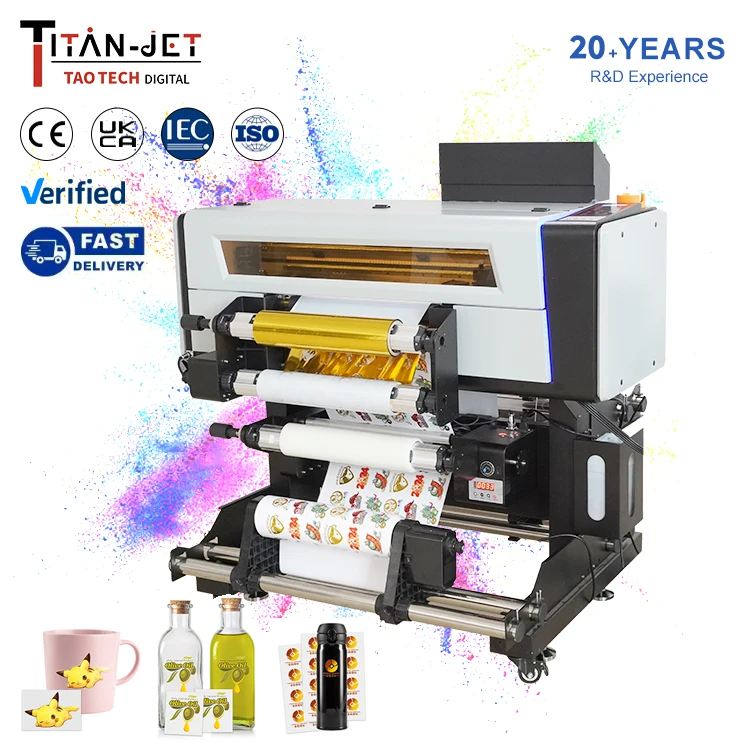
Understanding UV DTF film is crucial for businesses looking to enhance their printing capabilities, especially in the fields of custom apparel and labeling. This innovative film allows for high-quality designs to be transferred onto a variety of substrates using digital printing technologies. For purchasing managers, distributors, and product managers, key concerns often include film specifications, installation processes, quality evaluation, and potential problems. This article aims to provide insights into these areas, ensuring you can make informed decisions when sourcing Titanjet uv dtf transfer film sticker for your operations. This article will help you to understand the product more, so keep on reading it all.




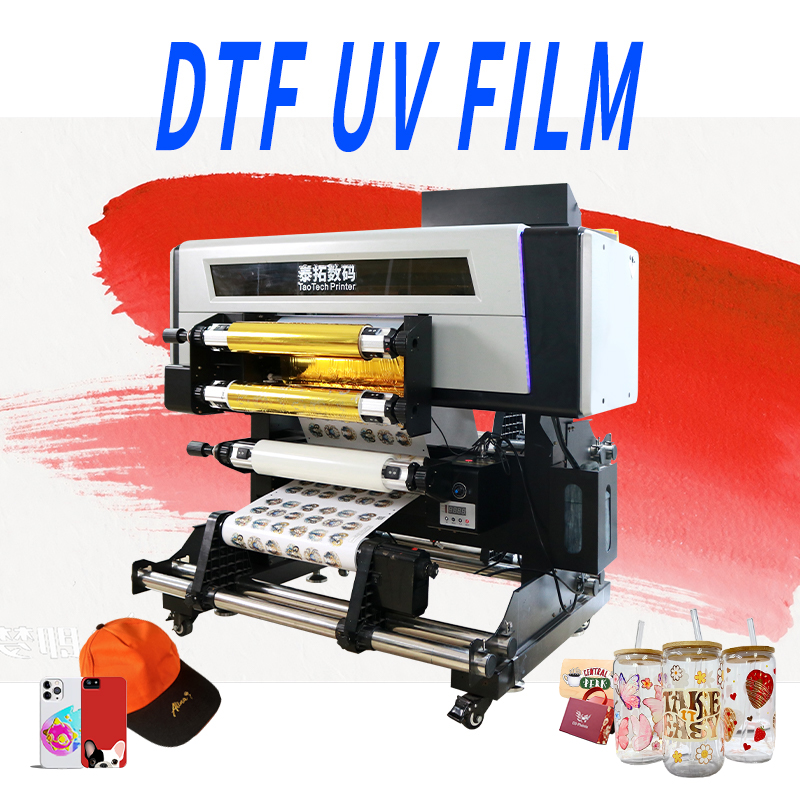
Understanding UV DTF Film Specifications for Optimal Performance
The specifications of UV DTF film are critical in determining its performance in various applications. Key specifications to consider include:
Thickness: A thicker film may provide better durability and print quality, but it could also affect the flexibility needed for certain applications. Consult with your supplier to determine the best thickness for your specific use case.
Material Composition: Titanjet UV DTF films are typically made from PET (Polyethylene Terephthalate) or other synthetic materials. The choice of material can impact adhesion, print vibrancy, and durability.
Adhesive Properties: The type of adhesive used on the film is essential for ensuring it adheres well to the substrate. Different adhesives may be required for various substrates, such as textiles, plastics, or metals.
Print Resolution Compatibility: Understanding the printer's capability and ensuring the film you choose can handle the desired print resolution is vital for achieving high-quality results.
Evaluating these specifications against your application needs will help you select the most suitable sticker uv dtf for your projects.