EN
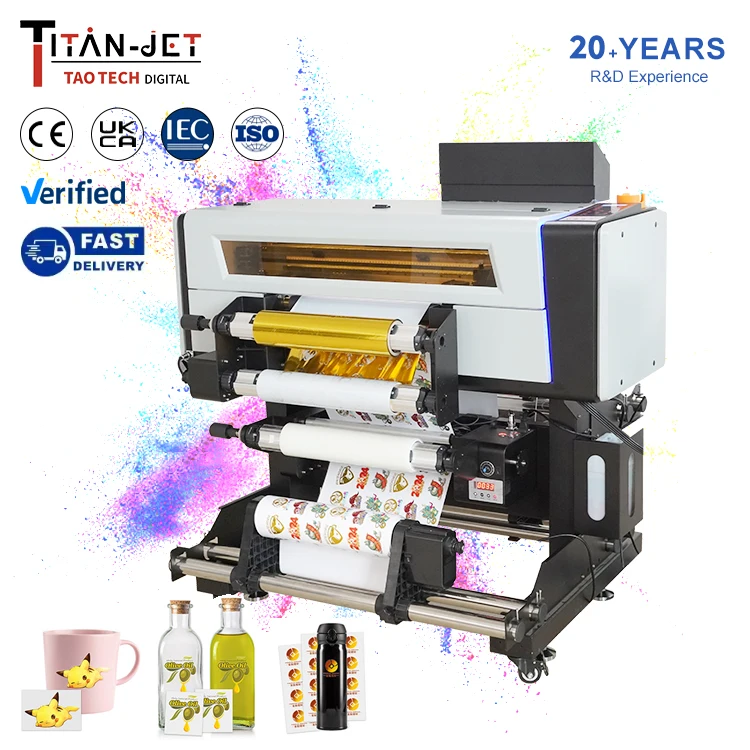
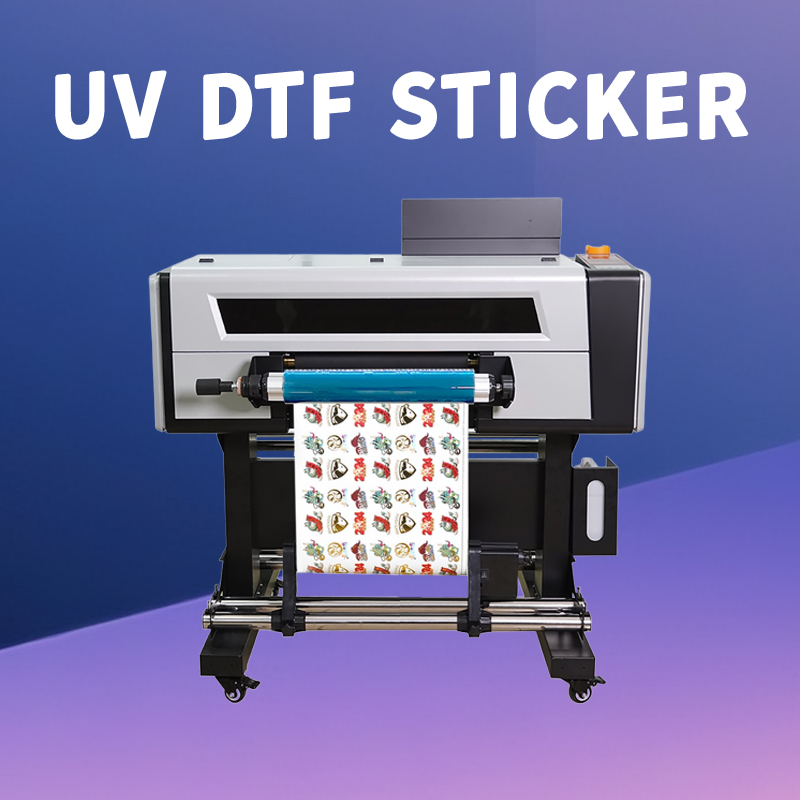
UV DTF stickers are innovative materials that enable vibrant, durable designs to be printed directly onto various surfaces. As a purchasing manager or product manager, understanding the nuances of UV DTF stickers is crucial when selecting the right products for your business needs. This article will guide you through the essential aspects of Titanjet UV Sticker/Labels, helping you make informed decisions regarding specifications, cost factors, applications, and installation requirements.





Key Specifications for UV DTF Stickers You Should Consider
When evaluating UV DTF stickers, focus on several key specifications that can impact performance and application suitability:
Thickness: The thickness of the sticker affects its durability and flexibility. Thicker stickers may offer better protection but could be less flexible for intricate designs.
Adhesive Type: The adhesive used in UV DTF stickers varies, with options for permanent or removable adhesion. Choose based on the intended duration of use and surface compatibility.
Ink Quality: The quality of the UV inks used can significantly influence color vibrancy and longevity. High-quality inks will provide better resistance to scratches and UV exposure, ensuring that the designs remain vivid over time.
Finish: The finish of the sticker—glossy, matte, or transparent—affects both aesthetics and functionality. A glossy finish may enhance color vibrancy, while a matte finish can reduce glare.
Temperature Resistance: For applications exposed to varying temperatures, ensure that the sticker can withstand these conditions without degrading or losing adhesion.
By understanding these specifications, you can select Titanjet UV DTF stickers that best meet your operational needs and performance criteria.