EN

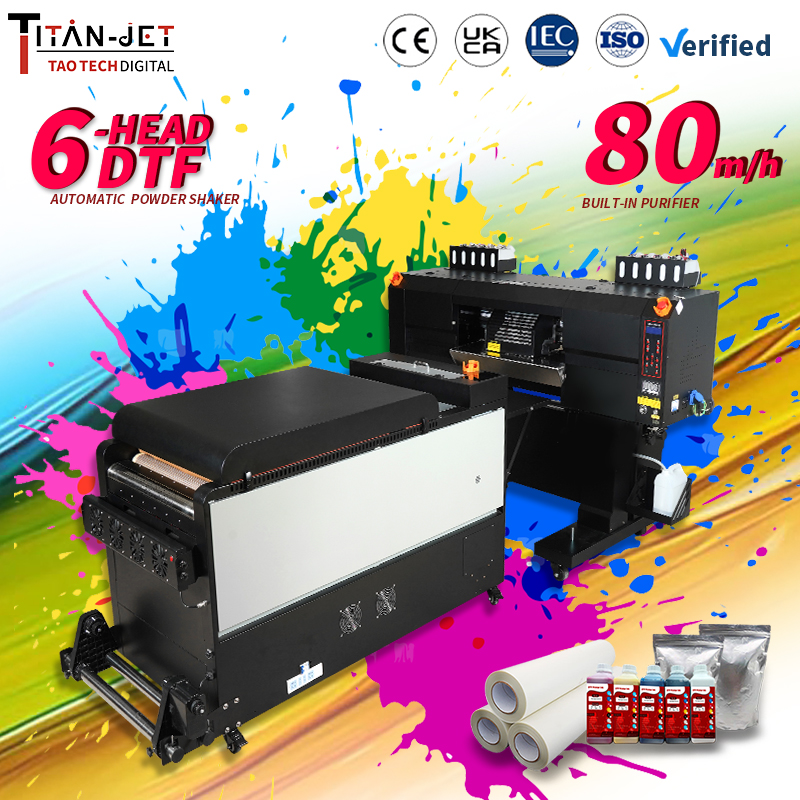
Large DTF printers have revolutionized the way businesses approach custom printing, particularly in the textile and label sectors. As a vital component for manufacturers and print service providers, these machines enable high-quality direct-to-film (DTF) printing, which is essential for producing detailed designs on garments and labels. Buyers considering a large DTF printer often have concerns about product specifications, application versatility, and overall investment. This article will provide insights into the advantages of sourcing large DTF printers, essential purchasing tips, investment considerations, applications across various industries, and material advantages that buyers should evaluate.
Essential Tips
When sourcing a large DTF printer, there are several essential tips to consider:
Understand Your Requirements: Clearly define your printing needs, including the types of materials you will be printing on, the volume of production, and specific design requirements. This will help narrow down the printer options that best fit your business.
Request Samples: Before committing to a purchase, request sample prints to evaluate the printer's performance, color accuracy, and durability of the prints on various materials. This step is crucial as it gives practical insight into the printer’s capabilities.
Check for Support and Warranty: Select a manufacturer that provides comprehensive support and warranty options. This ensures that you have access to technical assistance and that you can address any issues that may arise during operation.
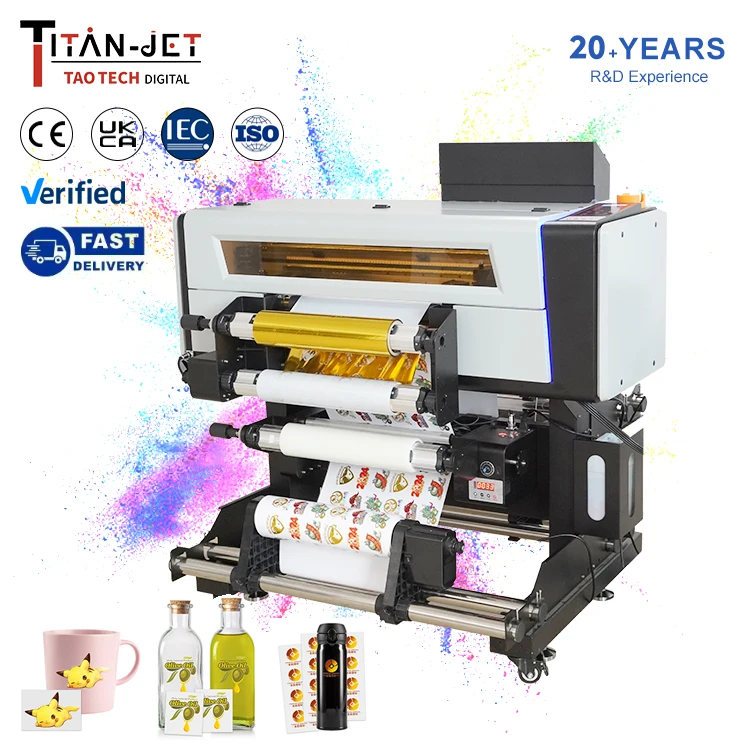
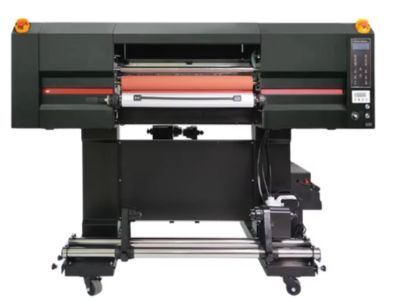
Consider Customization Options: Look for manufacturers that offer customization capabilities for their printers. This can include tailored software solutions or specific hardware configurations to meet unique business needs. For example, options like the ALL IN ONE Double Laminator UV DTF FOIL PRINTER can be particularly beneficial for specialized printing tasks.
Evaluate Total Cost of Ownership: Apart from the initial purchase price, consider maintenance costs, ink prices, and the lifespan of the printer. A lower upfront cost may lead to higher long-term expenses if the machine requires frequent servicing or expensive consumables.