EN
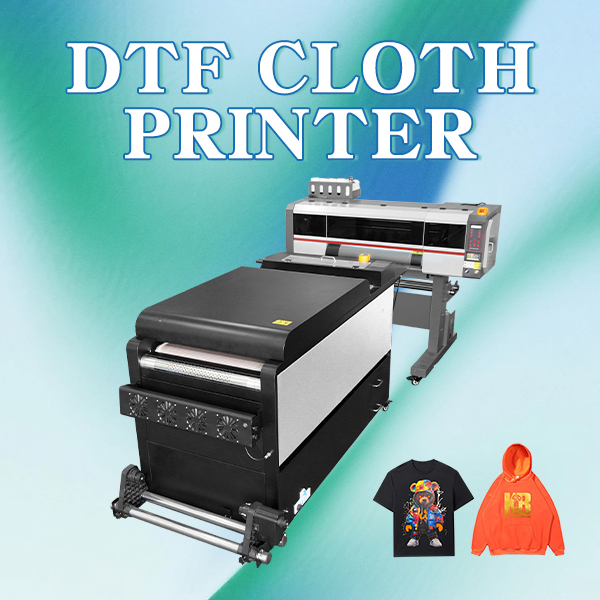
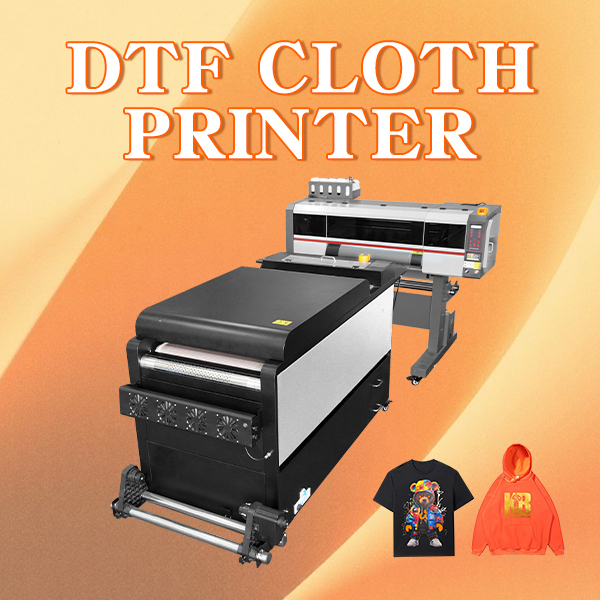
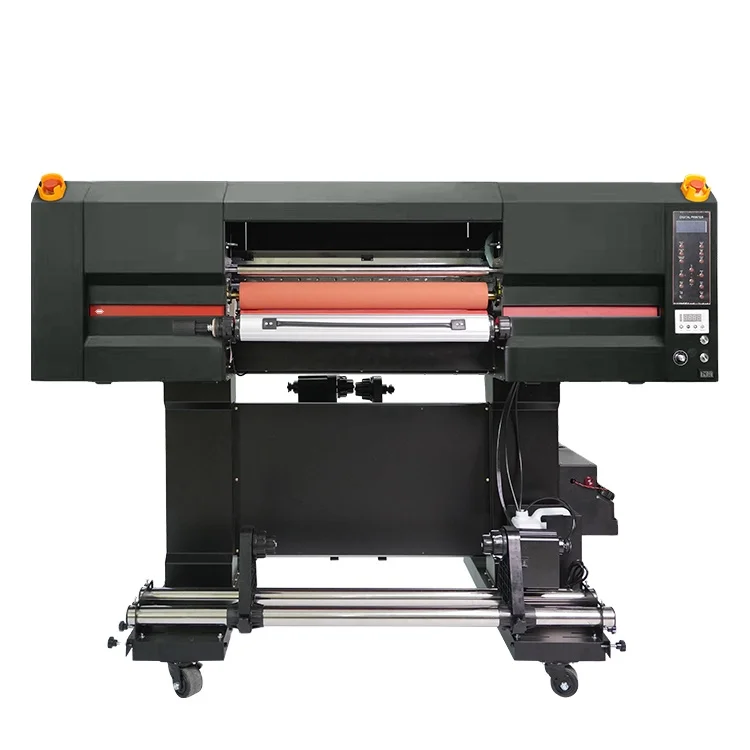
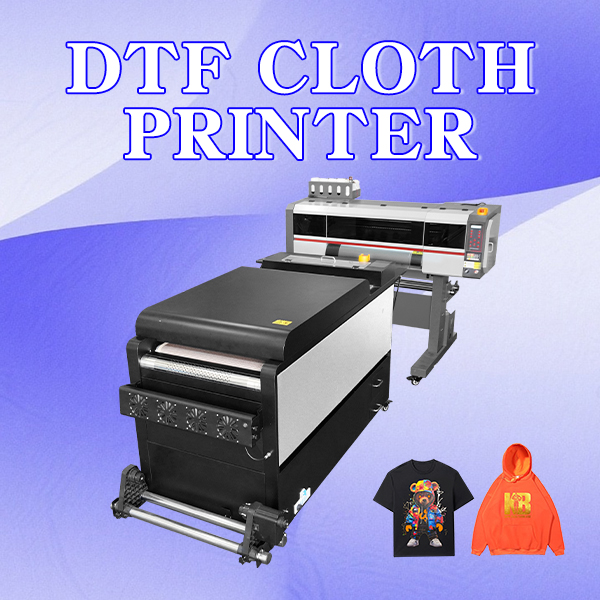
The DTF cloth printer is a specialized digital inkjet printer designed for direct-to-film (DTF) printing, enabling high-quality transfers on various fabrics. For B2B buyers, such as purchasing managers and product managers, understanding the nuances of DTF printers is crucial. This article will guide you through evaluating quality, addressing common issues, sourcing reliable suppliers, exploring applications across industries, and highlighting key features beneficial for your purchasing decisions.
Common Problems with DTF Printers and Their Effective Solutions
DTF printers can encounter several common issues that may affect production quality. One frequent problem is ink clogging in the print heads, which can lead to streaks or missing colors in prints. Regular maintenance, including cleaning cycles and using high-quality inks, can mitigate this issue.
Another challenge is the adhesion of the film to the fabric. If prints peel or crack after transfer, ensure that the correct temperature and pressure settings are used during the heat press process. It’s essential to follow the manufacturer's recommendations for transfer settings, as this varies with different fabrics and ink types.
Lastly, buyers should be aware of potential color mismatches between the design files and the finished product. To prevent this, always conduct a test print and review the colors under different lighting conditions. This proactive approach allows for adjustments before proceeding with full production runs.