EN

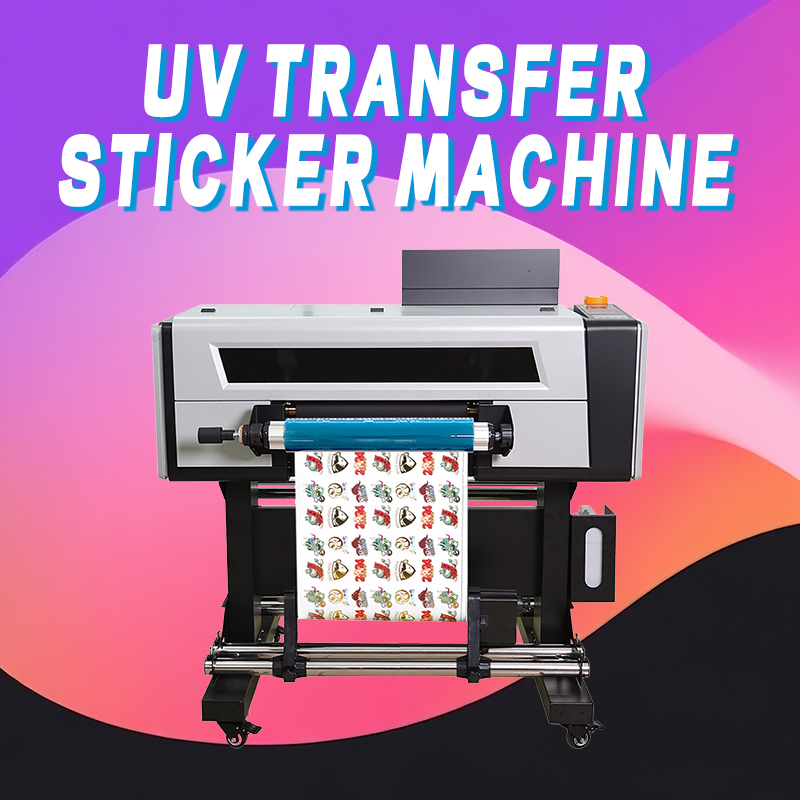
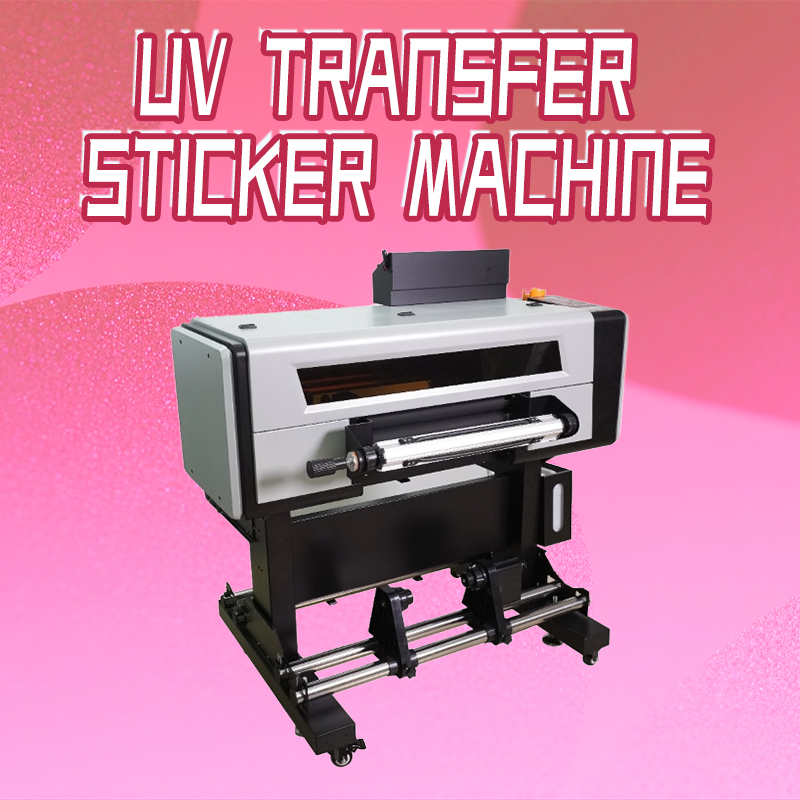
UV transfer sticker machines are essential tools for businesses looking to create high-quality, durable graphics and labels. These machines utilize ultraviolet light to cure the inks, ensuring vibrant colors and excellent adhesion on a variety of substrates. For purchasing managers, distributors, and engineers, understanding the nuances of uv dtf sticker is crucial for making informed decisions. This article will provide insights on sourcing, evaluating quality, troubleshooting common issues, considering cost factors, and installation guidance, helping you navigate the purchasing process effectively.


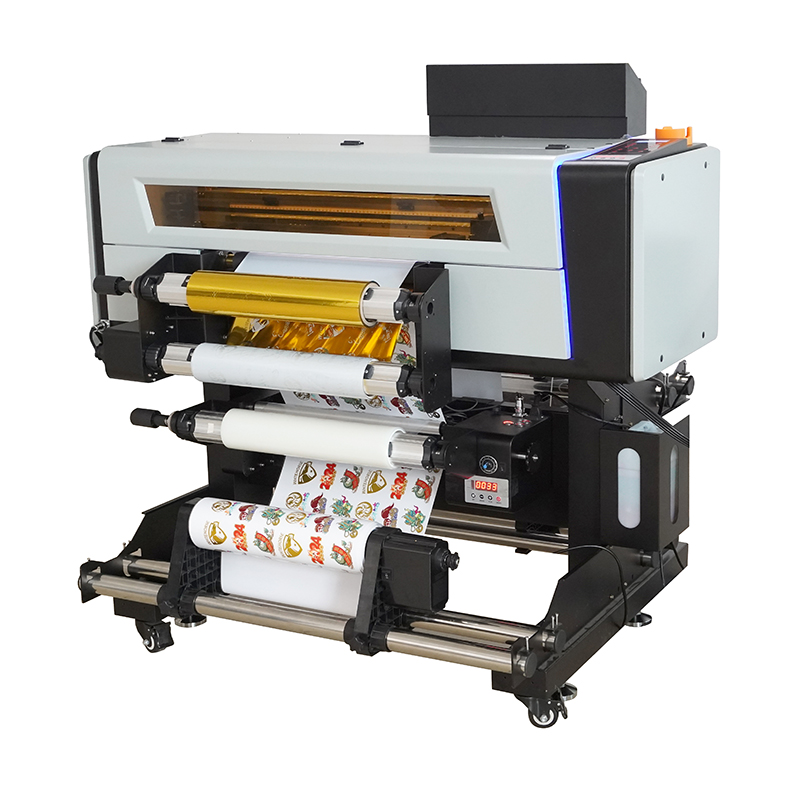
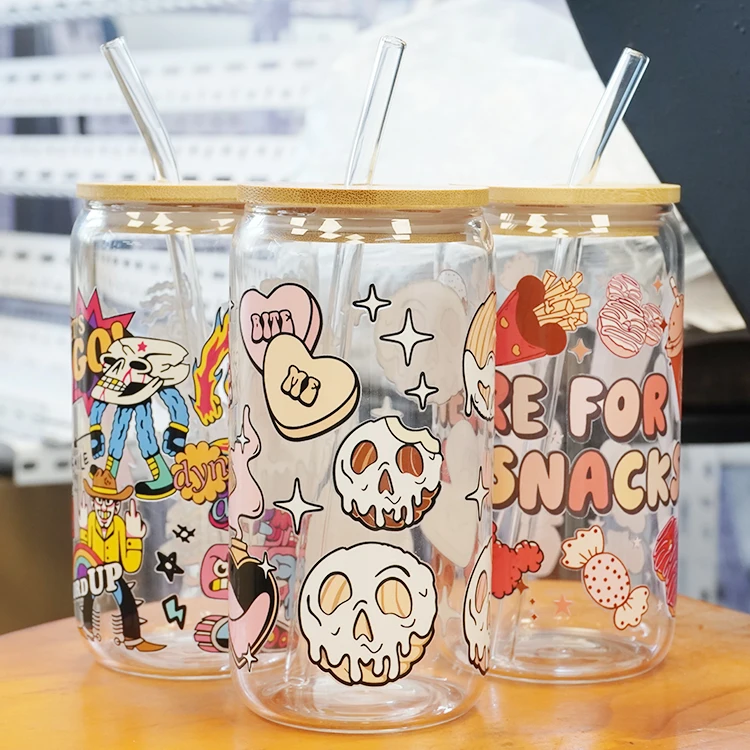


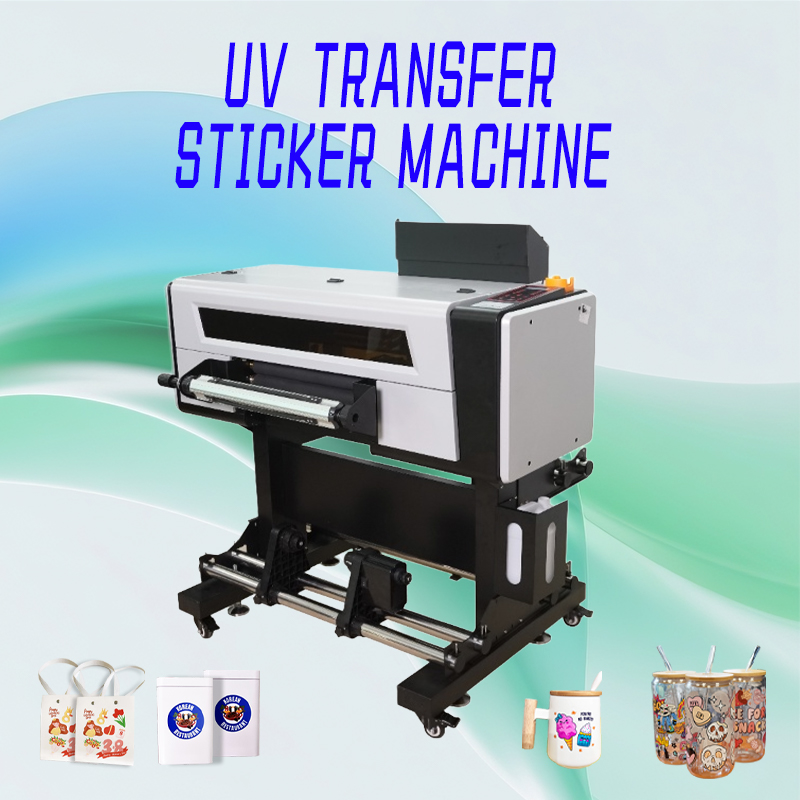
How to Evaluate the Quality of UV Transfer Sticker Machines
Evaluating the quality of Titanjet UV transfer sticker machines involves several key specifications and features. Here are the essential factors to consider:
Print Resolution: High resolution (typically measured in DPI, or dots per inch) is crucial for producing sharp, detailed images. Machines with resolutions of 1200 DPI or higher are generally preferred for professional applications.
Ink Quality: The type of ink used can significantly affect the final product's durability and vibrancy. UV inks are known for their resistance to fading and scratching. Verify that the inks meet industry standards for performance.
Speed and Efficiency: For businesses requiring high-volume production, machine speed is a vital consideration. Look for machines that can handle your expected output without sacrificing quality.
Material Compatibility: Ensure the machine can print on the substrates you intend to use, whether it's paper, plastic, metal, or other materials. This can impact both the quality of the print and the dtf uv sticker versatility.
User-Friendly Interface: A straightforward control panel and software can help reduce training time and improve operational efficiency.