EN

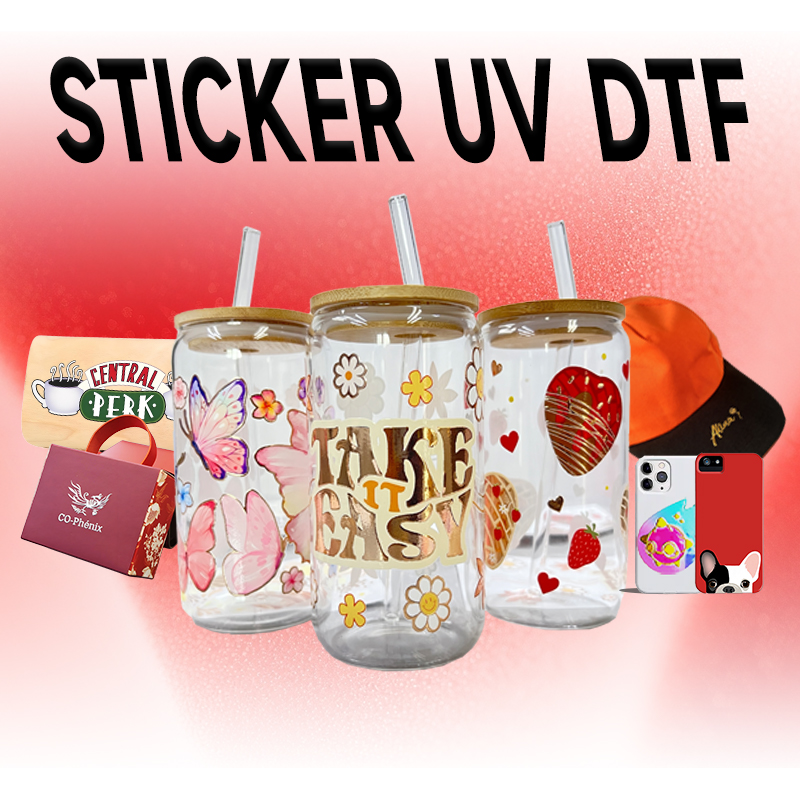
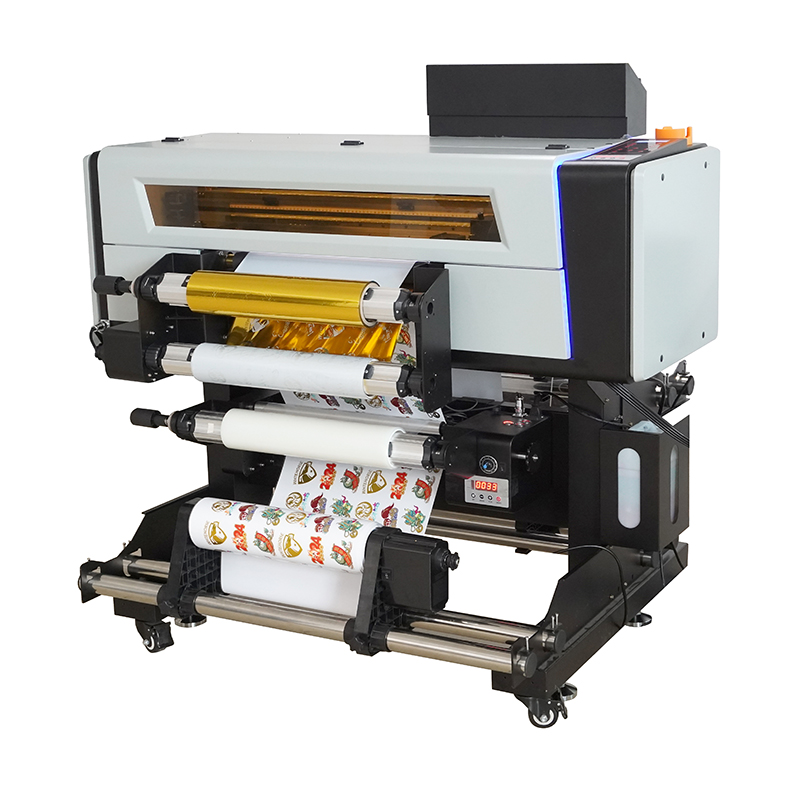
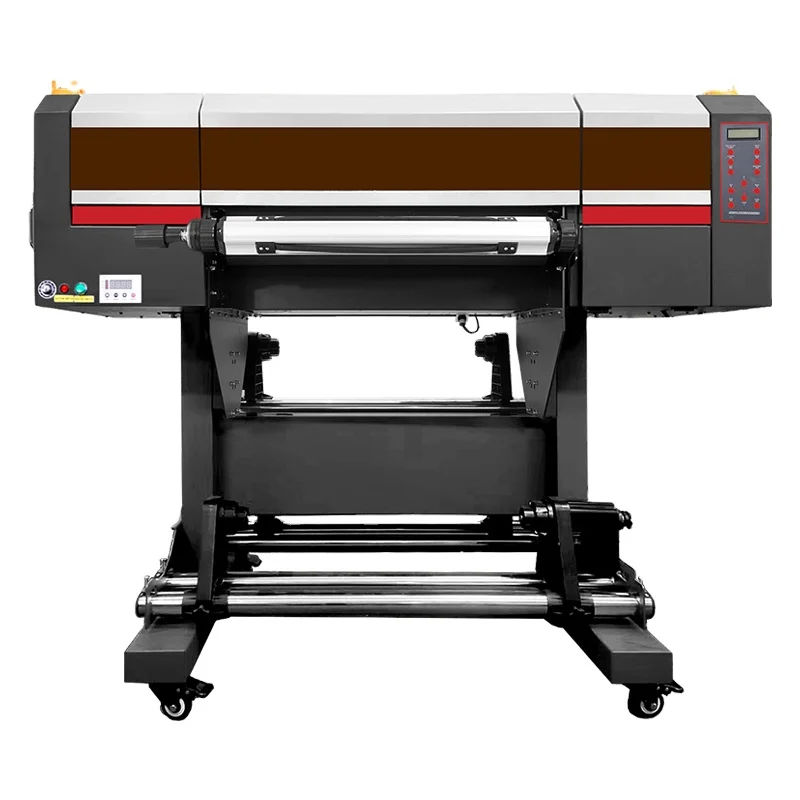
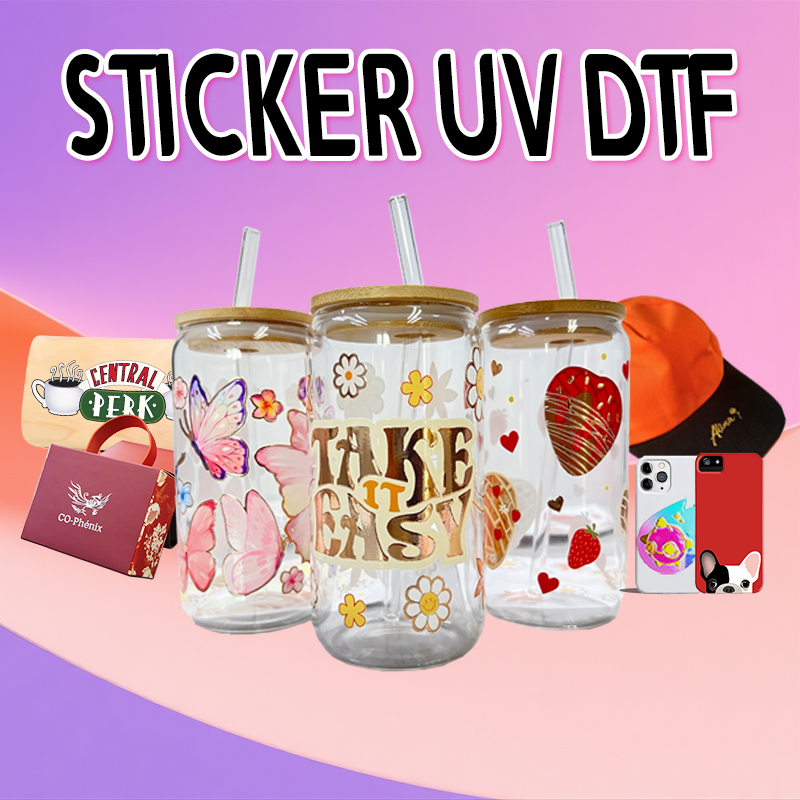
UV DTF stickers are a versatile solution for producing high-quality, durable graphics that can be applied to a variety of surfaces. As a buyer, your primary concerns likely center on the quality, application adaptability, and overall value of these stickers. This article will explore the essential aspects of Titanjet DTF T-shirt printer production, including supplier reliability, best practices, potential challenges, key advantages, and ways to maximize their value in your operations.



Best Practices for Success
To achieve the best results with UV DTF stickers, following established best practices is essential. Start with a thorough understanding of your application needs, including the type of surface the stickers will be applied to and the environmental conditions they will endure.
Material Selection: Choose the right material for your stickers, considering factors such as adhesive strength, durability, and compatibility with the intended surface. High-quality materials will enhance the longevity and appearance of your stickers.
Artwork Preparation: Ensure your artwork is prepared correctly for printing. This includes using the right file formats, resolution settings, and color profiles to guarantee vibrant and accurate colors in the final product.
Sample Approval: Before initiating mass production, always request samples of your stickers. This step is crucial to verify dimensions, colors, and overall quality. Testing samples under real conditions can help identify any issues before full-scale production begins.
Quality Inspection: Implement a quality control process to inspect stickers for defects, such as misalignment or color discrepancies. Establishing clear quality criteria will help maintain consistency across orders.
By adhering to these best practices, you can significantly reduce errors and enhance the overall quality of your Titanjet UV DTF transfer label Printer.