EN

DTF UV printing technology offers businesses the ability to produce high-quality prints on various substrates, including textiles and labels, with exceptional durability and detail. As a purchasing manager or distributor, understanding the nuances of DTF uv sticker can significantly impact your decision-making process. This article will guide you through critical considerations when selecting DTF UV printers, focusing on specifications, sourcing suppliers, cost factors, and applications in various industries.
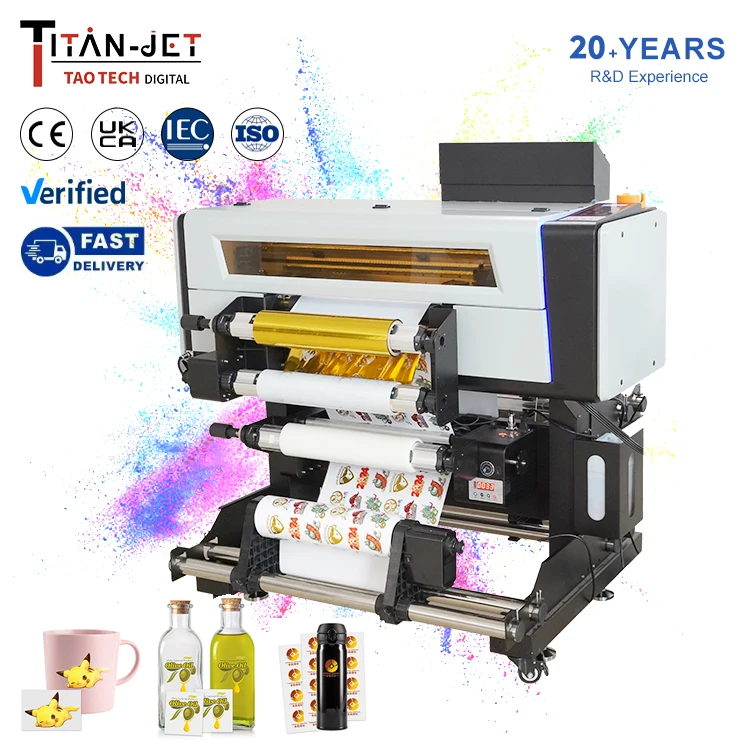
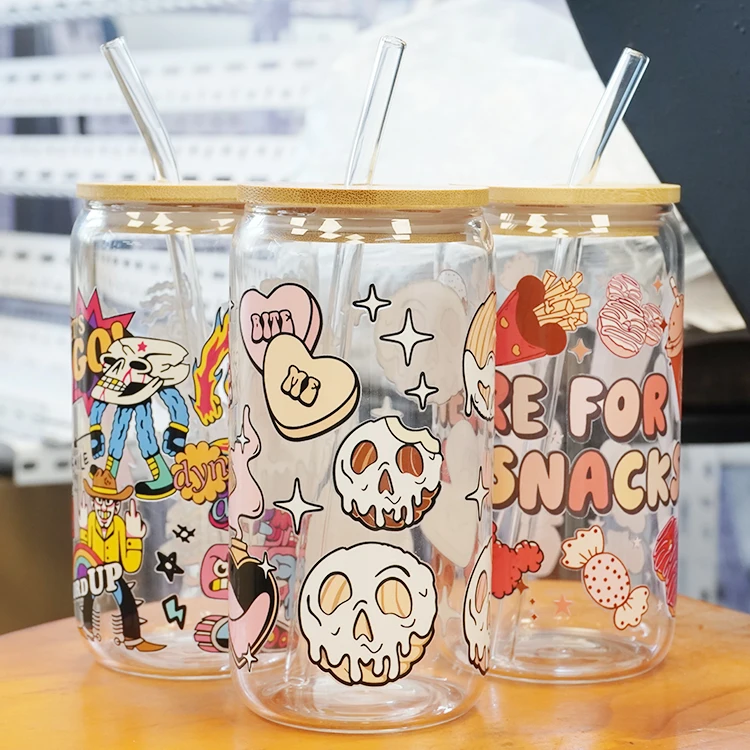
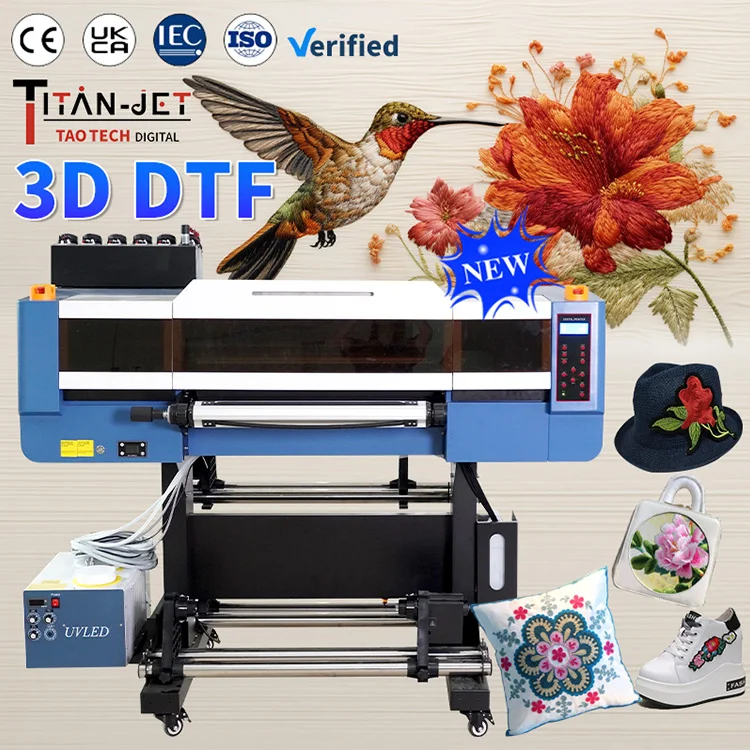
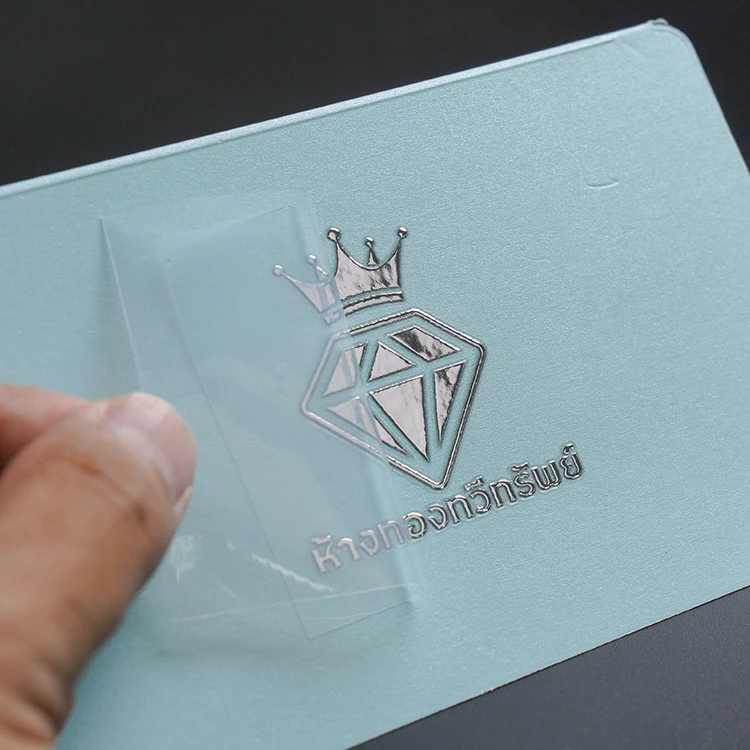
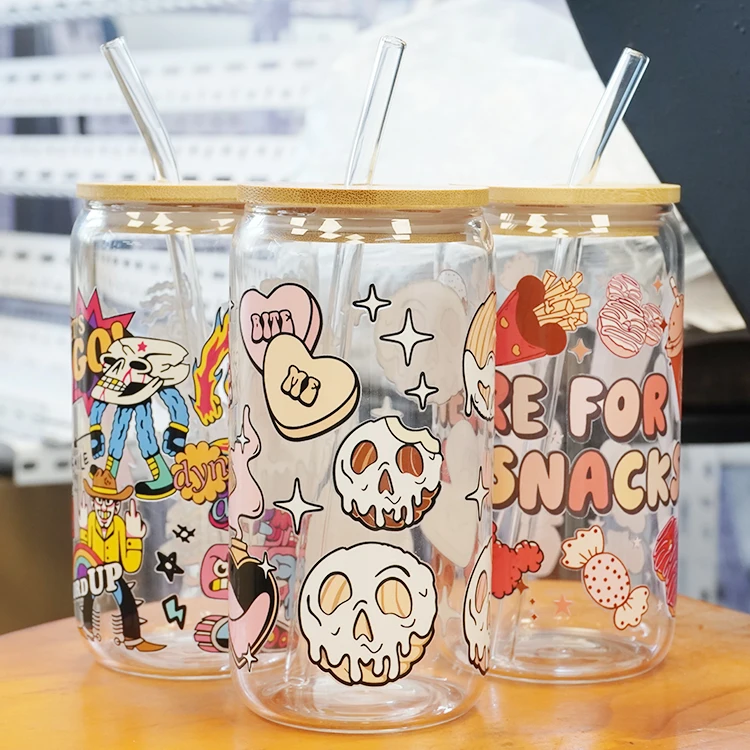
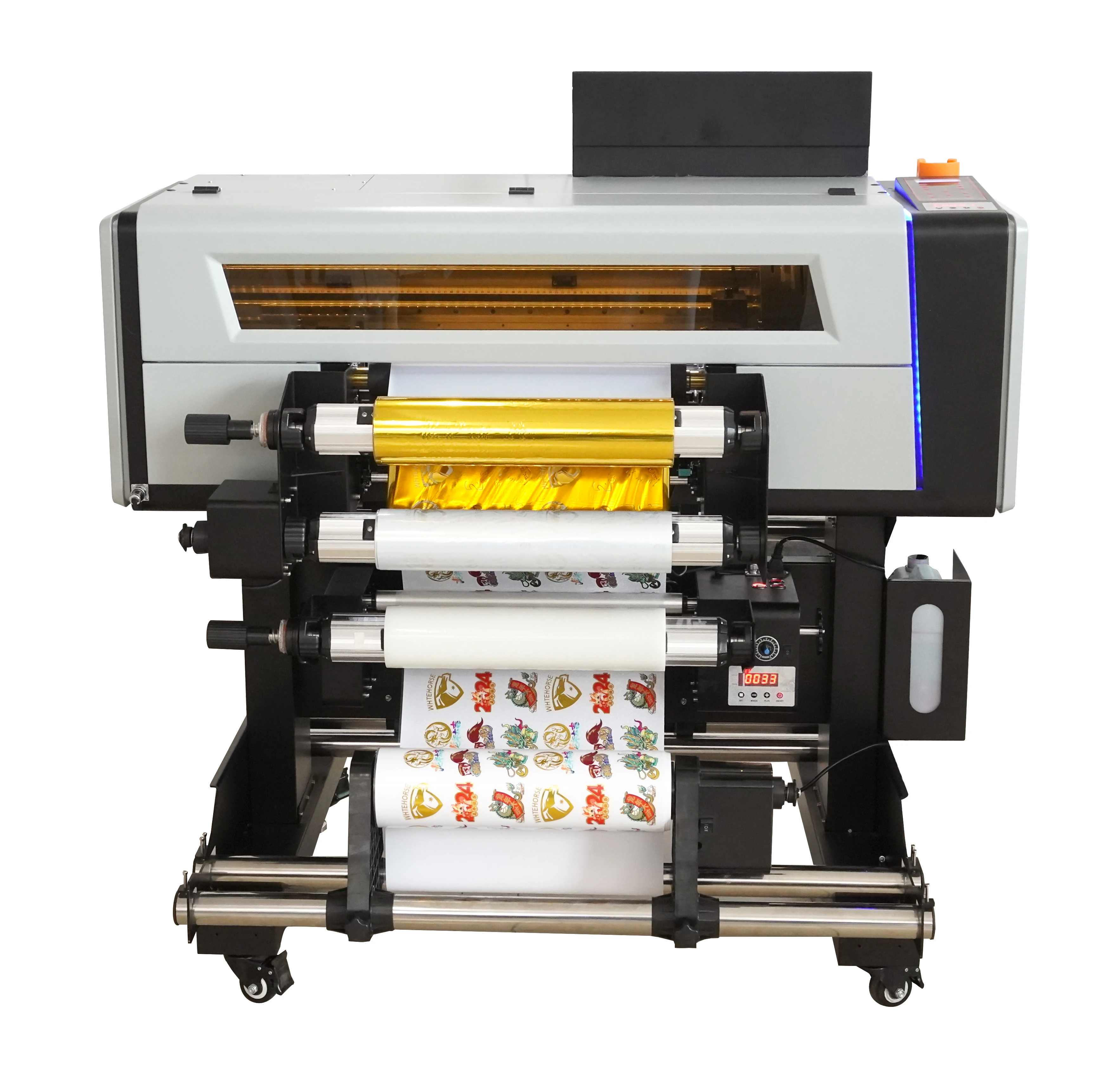
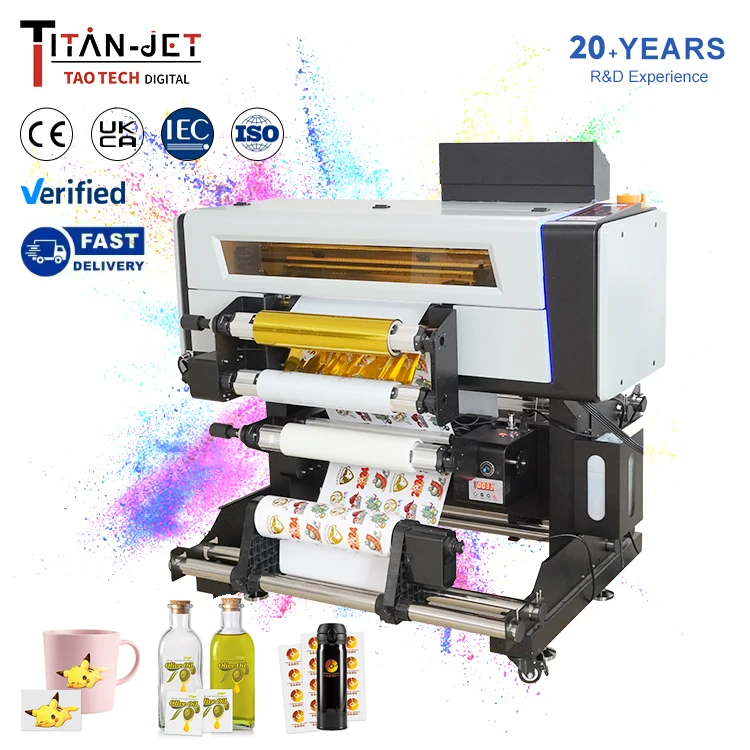
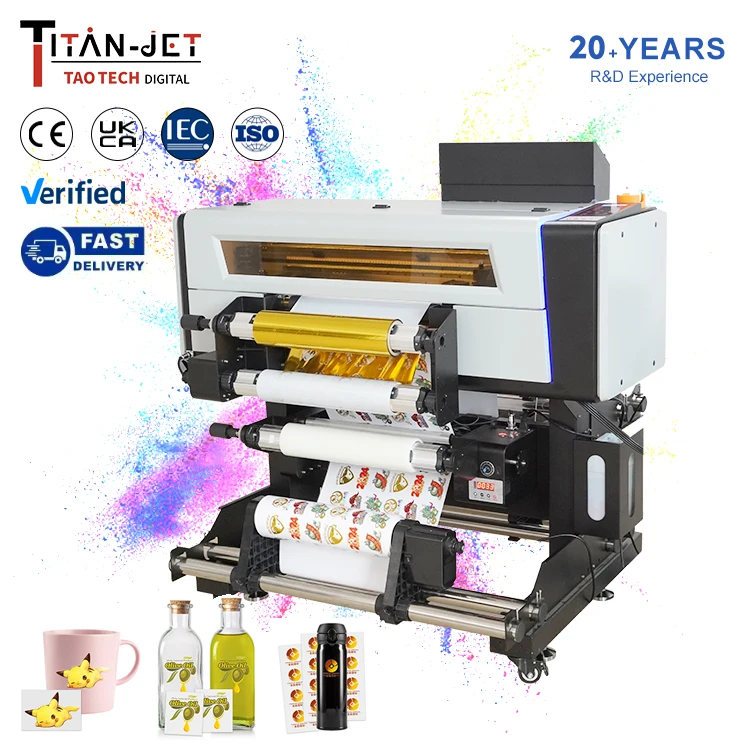
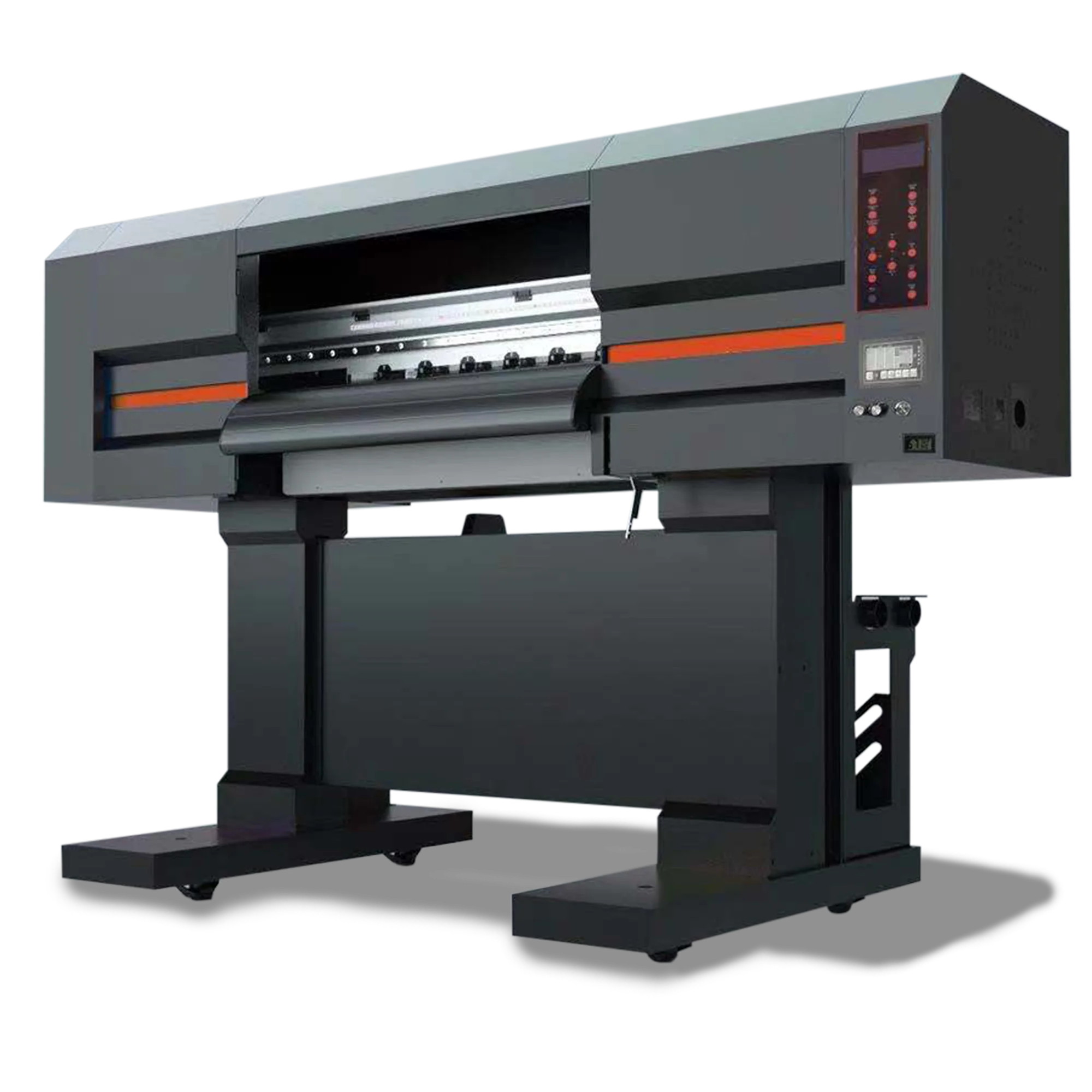
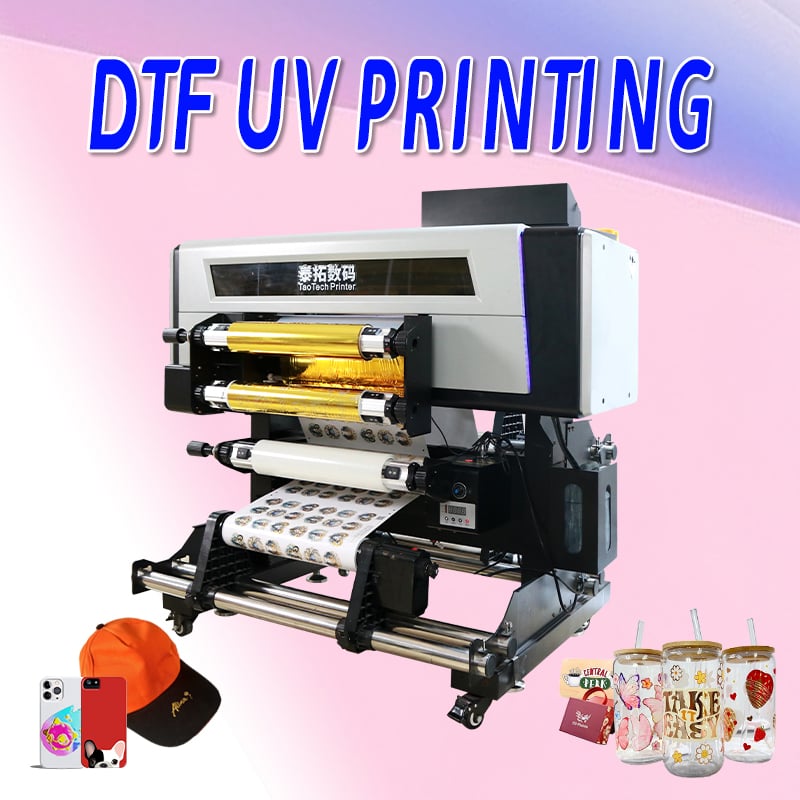
Key Specifications of DTF UV Printers for Wholesale Buyers
Understanding the key specifications of DTF UV printers is crucial for wholesale buyers looking to make informed purchases. Here are some essential specifications to look out for:
Print Resolution: Measured in DPI (dots per inch), a higher DPI enhances image quality. Look for printers that offer at least 1200 DPI for detailed prints.
Print Speed: This is typically measured in square meters per hour (m²/h). Depending on your production volume, a printer with higher speed capabilities can greatly reduce turnaround times.
Ink Type: sticker DTF uv generally use UV-curable inks, which provide excellent adhesion and durability on various substrates. Confirm that the ink is suitable for your intended applications.
Media Size Compatibility: Ensure that the printer can accommodate the DTF UV printing solutions media sizes you typically use. Some printers support larger formats, which can be beneficial for bulk printing.
Connectivity Options: Check if the printer offers various connectivity options (USB, Ethernet, Wi-Fi) to integrate seamlessly with your existing workflow.
Operating Environment: Consider the environmental conditions in which the printer will operate. Some printers may require specific temperature and humidity levels for optimal performance.
By evaluating these specifications, you can select a DTF UV printer that aligns with your operational needs and quality standards.