EN

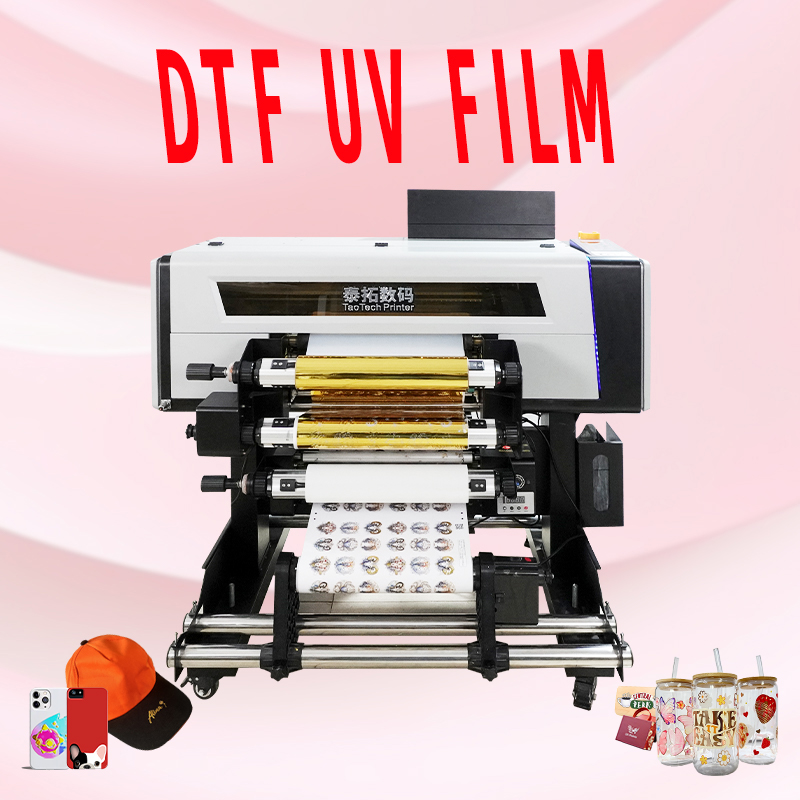
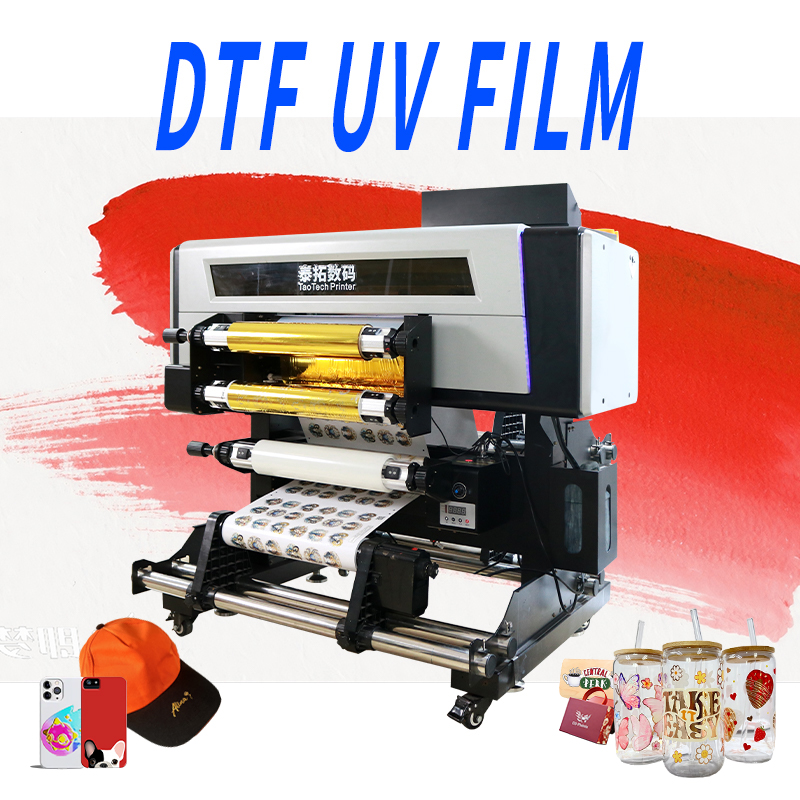
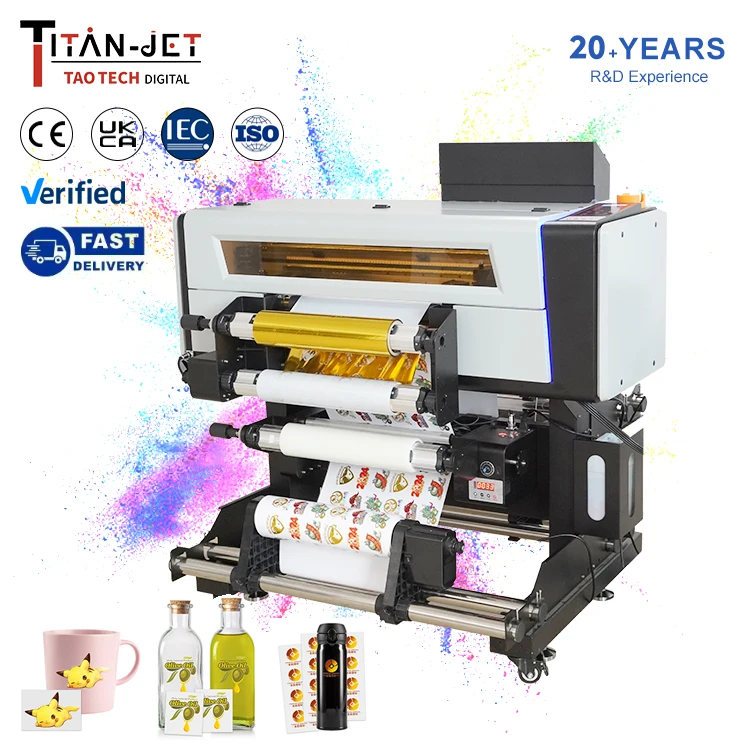
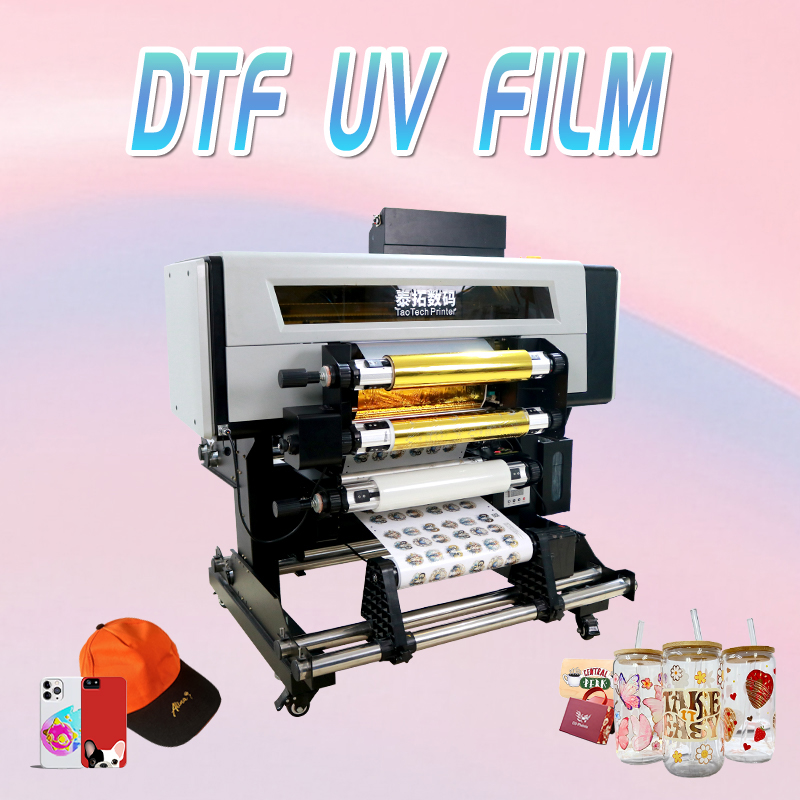
DTF UV film is a specialized material designed for direct-to-film printing, commonly used in the production of high-quality images on various substrates, including textiles and labels. For B2B buyers, understanding the specifications, quality evaluation methods, installation guidance, pricing considerations, and industry applications of Titanjet uv dtf transfer film sticker is crucial. This article will help purchasing managers, engineers, and product managers navigate these aspects to make informed decisions.



Tips for Importers
Quality evaluation of DTF UV film, especially for bulk orders, involves a systematic approach to ensure the selected product meets specific needs. Here are practical steps to consider:
Request Samples: Before placing bulk orders, request samples of the DTF UV film to evaluate its performance. Conduct printing tests to check for ink adhesion, drying time, and overall print quality. This will help identify any potential issues before mass production.
Inspect Physical Properties: Check for uniformity in thickness, color consistency, and any visible defects. Any irregularities can affect the printing process and the final product's appearance.
Test Compatibility: Ensure the DTF UV film is compatible with your specific printer model and ink type. This compatibility can significantly affect the quality of the prints and operational efficiency.
Review Manufacturer Certifications: Confirm that the DTF UV film complies with relevant industry standards, such as ISO 9001. This certification indicates a commitment to quality management and consistency in production practices.
Evaluate Packaging and Shipping Conditions: Assess the packaging methods used for the film. Proper packaging is essential to prevent damage during transport. Ensure that the manufacturer has robust quality control processes in place for both production and shipping.
By following these evaluation steps, buyers can mitigate risks associated with bulk purchasing and ensure that they receive a product that meets their expectations.