Key Considerations for UV Printer Machines

Get a Free Quote

Our representative will contact you soon.
Email
Mobile/WhatsApp
Name
Company Name
Message
0/1000

Uv printer machine

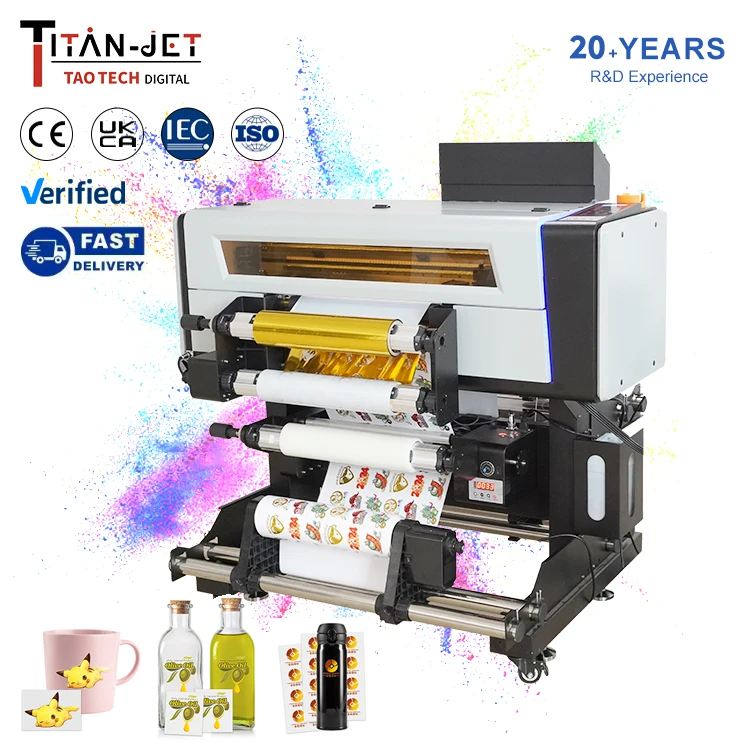
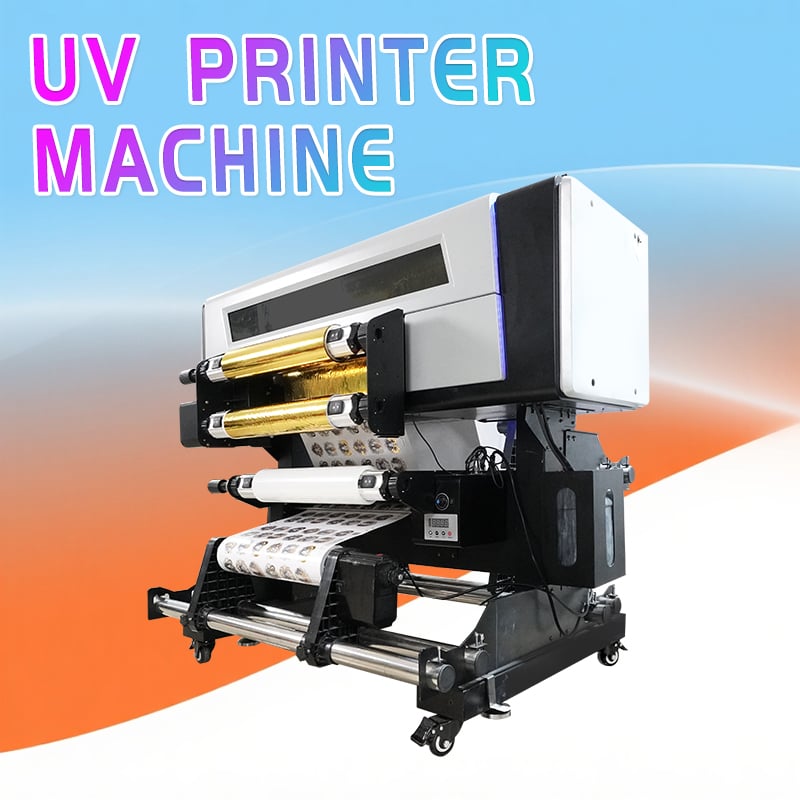
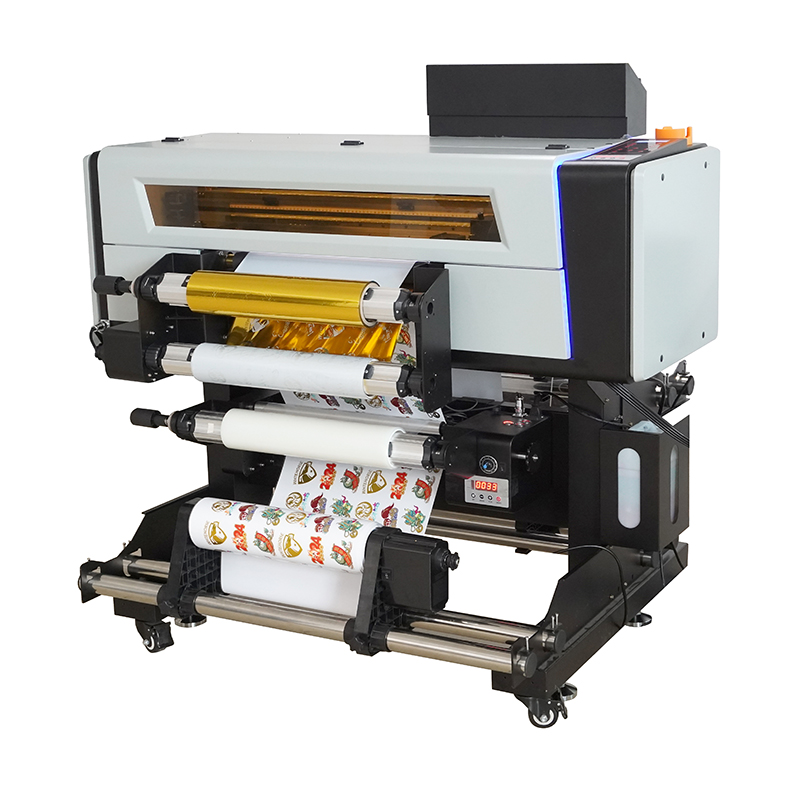
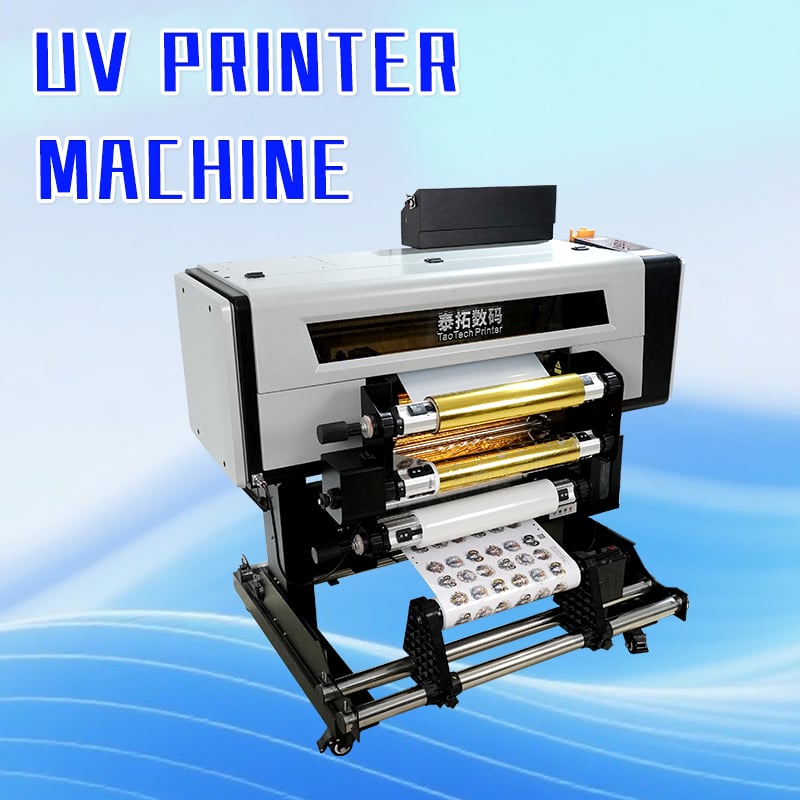
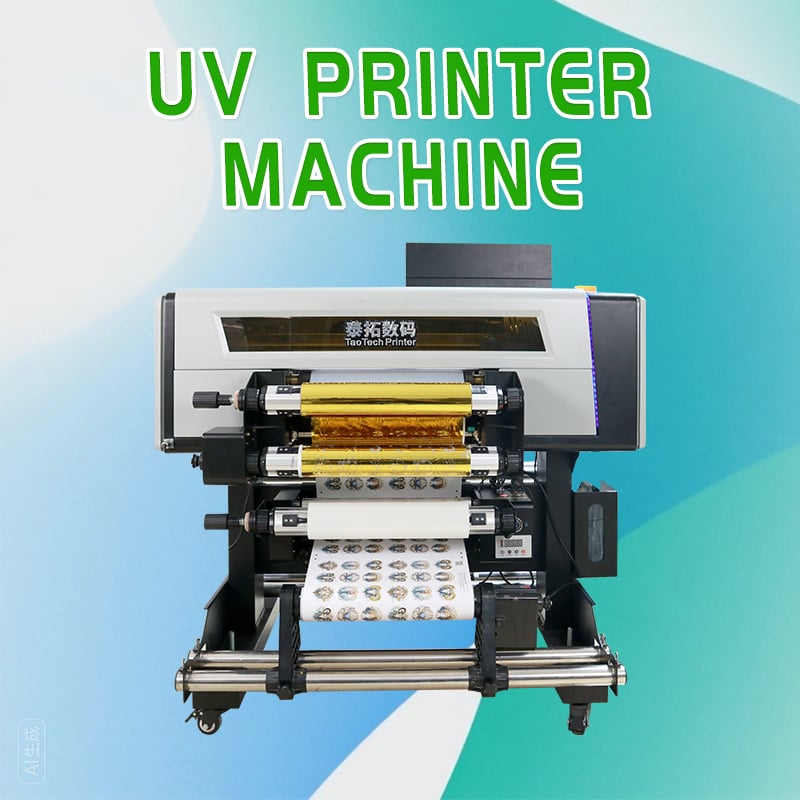
UV printer machines are specialized digital inkjet printers that utilize ultraviolet light to cure or dry the ink as it is printed. These machines are essential for businesses looking to produce high-quality, durable prints on various substrates, including glass, metal, plastic, and wood. As potential buyers, purchasing managers and engineers often have concerns regarding specifications, performance, versatility, and cost-effectiveness of these machines. This article aims to provide a comprehensive understanding of Titanjet uv dtf sticker, helping you make informed decisions when selecting the right equipment for your manufacturing needs.
Our Products

How to Compare UV Printer Machines for Optimal Performance

How to Compare UV Printer Machines for Optimal Performance

When comparing Titanjet UV printer machines, it's essential to conduct a thorough analysis that encompasses both quantitative and qualitative factors: 

Performance Metrics: Gather performance data from different manufacturers, focusing on print resolution, speed, and substrate versatility. Request sample prints to assess quality firsthand. 

Total Cost of Ownership (TCO): Consider not just the upfront cost of the machine, but also maintenance, energy consumption, and ink costs over time. A lower purchase price may result in higher operating costs, making it important to evaluate the long-term implications. 

Manufacturer Reputation: Research the manufacturer’s credibility and experience within the industry. Companies like TaoTech, with a long-standing reputation for quality and innovation, often provide better support and reliability. 

Customer Support and Warranty: Assess the level of customer service and warranty options provided by the manufacturer. A robust support system can minimize downtime and enhance your operational efficiency. 

Customization Options: Determine if the printer can be tailored to meet specific production needs. Customization can include additional features, ink types, or software capabilities that enhance productivity. 

User Reviews and Case Studies: Look for customer testimonials and case studies that showcase the printer's performance in real-world applications. This can provide insights into reliability and user satisfaction.
Common Problems with UV Printer Machines and Their Solutions

Common Problems with UV Printer Machines and Their Solutions

While UV printer machines are robust, they can encounter several common issues. Understanding these problems and their solutions is vital for maintaining operational efficiency: 

Ink Curing Issues: If the ink is not curing properly, it can lead to smudging or poor adhesion. This can often be resolved by adjusting the curing lamp height or ensuring that the correct lamp type is used for the specific ink. 

Print Quality Problems: Issues such as banding or color inconsistencies may arise due to misalignment, dirty print heads, or low-quality inks. Regular maintenance, including cleaning print heads and calibrating the printer, can mitigate these issues. 

Material Compatibility: Not every substrate will respond well to UV printing. If prints are peeling or not adhering, reevaluate the material's properties and ensure they are suitable for UV ink. 

Maintenance Requirements: UV printers require regular maintenance to function optimally. Setting a routine maintenance schedule can help identify issues before they escalate, ensuring continuous operation. 

Software Compatibility: Ensure that your design software is compatible with the UV printer. Software updates or changes in settings may be necessary to achieve optimal performance and print quality.

Applications of UV Printer Machines Across Various Industries

Applications of UV Printer Machines Across Various Industries

UV printer machines have versatile applications across numerous industries, making them essential tools for many businesses: 

Signage and Displays: UV printers can produce vibrant, high-quality images for indoor and outdoor signage, making them a favorite in advertising and promotional materials. 

Packaging: The ability to print directly onto various packaging materials allows for quick customization and on-demand printing, enhancing branding and product visibility. 

Manufacturing: In industries such as automotive and electronics, UV printing is used for marking parts, labels, and decorative elements, providing durability and resistance to wear. 

Textiles: UV printers are increasingly used in textile printing, allowing for detailed designs on fabrics, which are often required for fashion and interior design applications. 

Industrial Printing: From printing on glass and ceramics to custom parts in aerospace and medical fields, UV printers enable high-quality, durable prints critical for industrial applications.

Understanding Material Advantages of UV Printer Machines

The materials used in Titanjet UV printing play a significant role in the quality and durability of the final product. Here are some advantages of utilizing UV printing materials: 

Durability: UV inks are known for their resistance to fading, scratching, and moisture, making them suitable for outdoor applications where exposure to elements is a concern. 

Versatility: UV printers can print on various materials, including rigid substrates like metal and glass, as well as flexible materials such as vinyl and fabric, allowing businesses to expand their product offerings. 

Eco-Friendly Options: Many UV inks are formulated to be low in volatile organic compounds (VOCs), making them a more environmentally friendly choice compared to traditional solvent-based inks. 

Quick Turnaround: UV curing allows for immediate handling of prints, reducing the turnaround time for projects and increasing overall productivity. 

Quality and Precision: The ability to print with high resolution and vibrant colors leads to superior quality outputs, making UV printing a preferred choice for high-end applications. 

By understanding these specifications, comparison metrics, common issues, applications, and material advantages, B2B buyers can make informed decisions when selecting sticker dtf uv that align with their operational needs and quality requirements.

Key Specifications to Evaluate in UV Printer Machines

When evaluating UV printer machines, several key specifications should be considered to ensure optimal performance and suitability for your specific applications: 

Print Resolution: Measured in dots per inch (DPI), the print resolution determines the clarity and detail of the printed image. Higher DPI values indicate finer details and sharper images, which is crucial for applications requiring intricate designs, such as labels and signage. 

Print Speed: The speed at which a UV printer can produce prints is critical for meeting production deadlines. Print speeds are usually measured in square feet per hour (FT²/hr). It's important to balance speed with quality; high-speed printing should not compromise the final product's quality. 

Curing Technology: UV printers use different types of curing systems, such as mercury vapor lamps or LED lamps. LED curing systems tend to use less energy and offer faster curing times, which can be advantageous in high-volume production environments. 

Substrate Compatibility: The ability to print on various materials is a significant consideration. Ensure the UV printer is compatible with the substrates you intend to use, whether they are rigid, flexible, or specialty materials. 

Ink Types: Different UV inks are available, including those formulated for specific applications, such as outdoor durability or flexibility. Understanding the ink types and their properties can help in selecting the appropriate printer for your needs. 

Size and Footprint: Depending on your facility's layout, the dtf uv sticker dimensions and required workspace should be evaluated. Ensure that the printer can fit comfortably within your production area without hindering workflow.

Our Blog Posts

Compatibility Study of A3 UV DTF Printers with Environmentally Friendly Ink

12

Nov

Compatibility Study of A3 UV DTF Printers with Environmentally Friendly Ink

When you use A3 UV DTF printers, the compatibility with environmentally friendly ink must be considered. Titanjet has the right kind of printers to accommodate these types of eco-friendly alternatives and deliver superior results, with less environme...
View More
UV Ink Printer Buying Guide: Flatbed vs. Hybrid vs. Roll-to-Roll

30

Jun

UV Ink Printer Buying Guide: Flatbed vs. Hybrid vs. Roll-to-Roll

When looking to buy UV ink printer, it can be hard choose right one. There is many kinds, like flatbed, hybrid, and roll-to-roll printers, each with they own strengths. At Titanjet, we know how important find right printer for your needs. This guide ...
View More
How UV Ink Instantly Cures: The Science Behind LED vs. Mercury Lamps

30

Jun

How UV Ink Instantly Cures: The Science Behind LED vs. Mercury Lamps

UV ink is a special kind of ink that hardens quick when exposed to UV light. This ink use in various print jobs, like labels, signs and packaging. When UV light shine on the ink, it trigger a chemical react that turn liquid ink to solid. This quick d...
View More
How Industrial Fabric Printers Revolutionize Textile & Garment Custom Printing

30

Jun

How Industrial Fabric Printers Revolutionize Textile & Garment Custom Printing

Industrial fabric printers is changing the way we make designs on clothes and textiles. They uses special tech to print colorful patterns right on the fabric. So businesses can create custom clothes with unique looks much quicker now. Titanjet lead i...
View More

Get a Free Quote

Our representative will contact you soon.
Email
Mobile/WhatsApp
Name
Company Name
Message
0/1000
Key Considerations for UV Printer Machines

Get a Free Quote

Our representative will contact you soon.
Email
Mobile/WhatsApp
Name
Company Name
Message
0/1000