EN
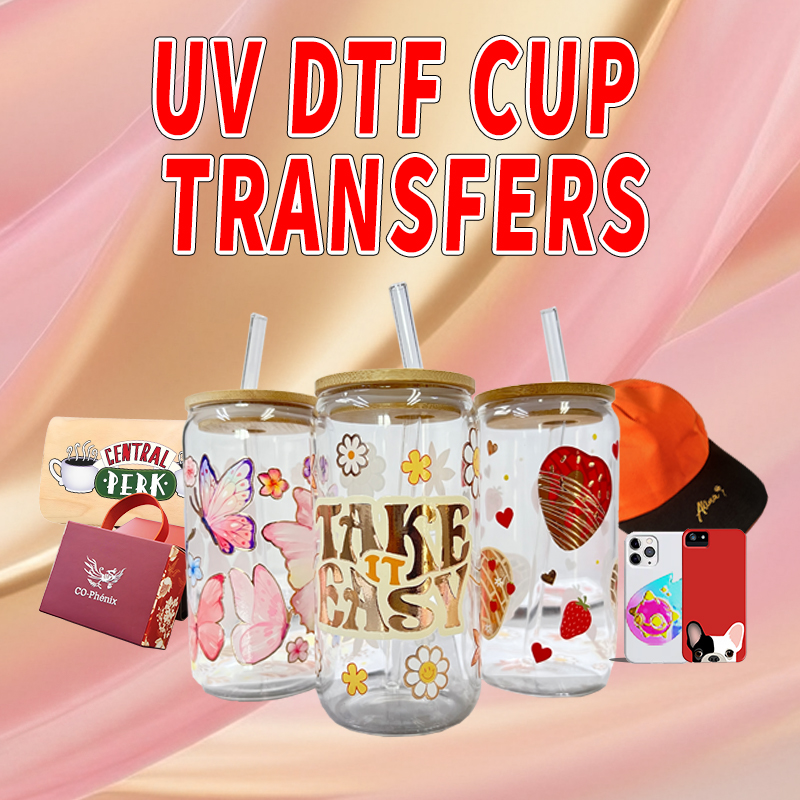
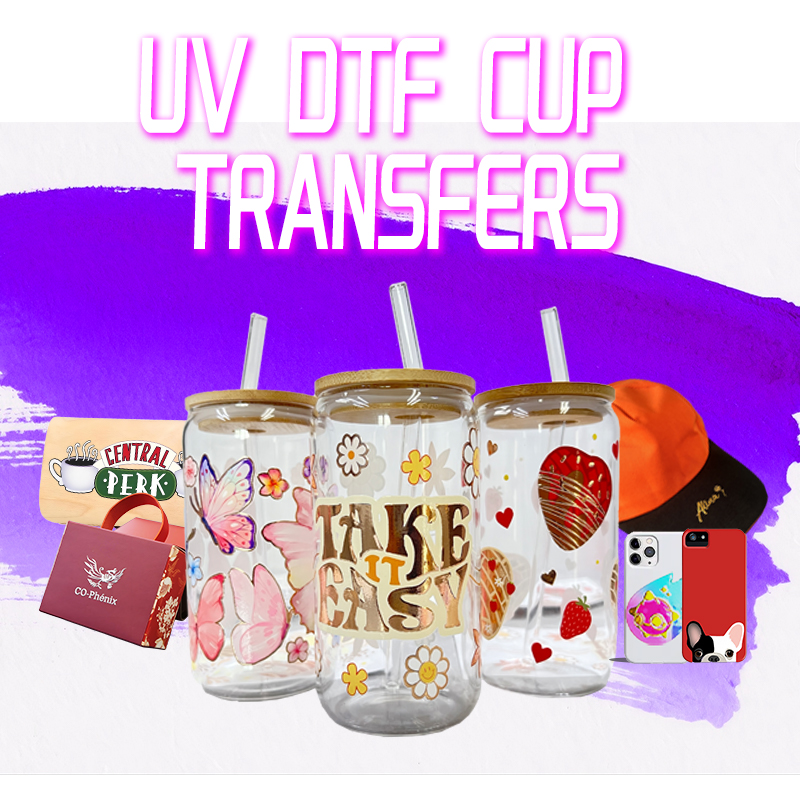
UV DTF cup transfers are a game-changing solution for businesses looking to enhance their product personalization capabilities. These transfers use cutting-edge digital inkjet technology, enabling high-quality printing directly onto various substrates, including cups and other drinkware. For B2B buyers such as purchasing managers, product managers, and manufacturers, understanding the intricacies of Titanjet uv dtf sticker is crucial. This article will cover how to evaluate their quality, cost factors, best practices, applications in various industries, and the features and benefits that make them a smart investment.



Understanding the Cost Factors of UV DTF Cup Transfers
The cost of UV DTF cup transfers can vary significantly based on several factors:
Volume: The quantity ordered greatly influences pricing. Suppliers often offer discounts for larger orders due to reduced production costs. Understand the minimum order quantity (MOQ) and how it relates to pricing.
Customization: Customized designs or colors may incur additional fees. If your business requires specific branding or artwork, factor these costs into your budget.
Material Costs: The type of transfer film used can affect the overall cost. Premium materials that ensure better durability and print quality typically cost more upfront but may provide long-term savings due to lower replacement rates.
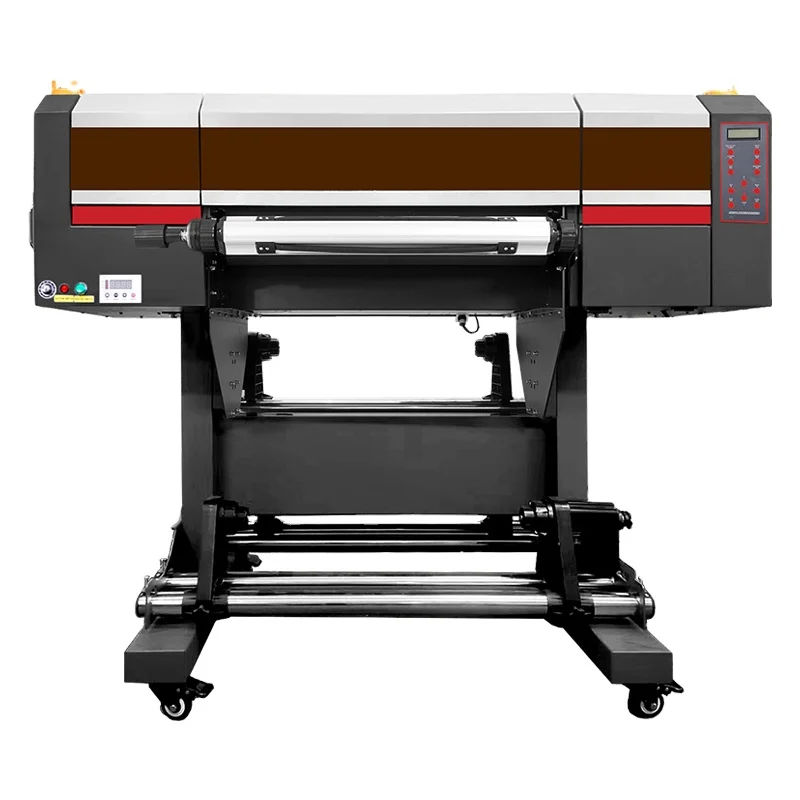
Printer Capabilities: Investing in a high-speed, high-resolution printer can also impact initial costs. While the upfront investment may be higher, it often leads to better quality transfers and reduced production time.
Shipping and Handling: Consider any shipping costs, especially if sourcing from international suppliers. These can add significantly to the overall cost, particularly for bulk orders.
Understanding these cost factors can help businesses budget effectively and make informed purchasing decisions.