Choosing the Right Industrial Fabric Printer

Get a Free Quote

Our representative will contact you soon.
Email
Mobile/WhatsApp
Name
Company Name
Message
0/1000

Industrial fabric printer

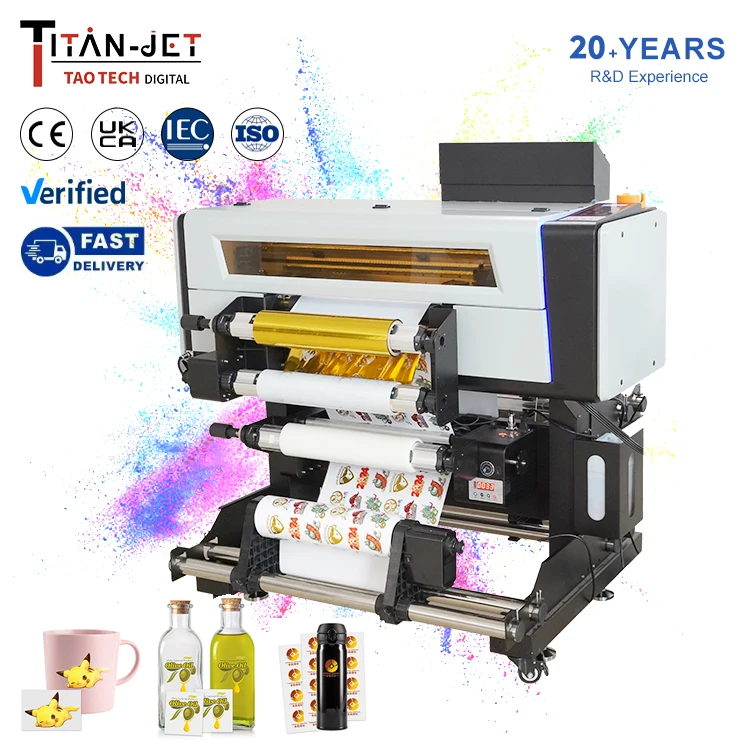
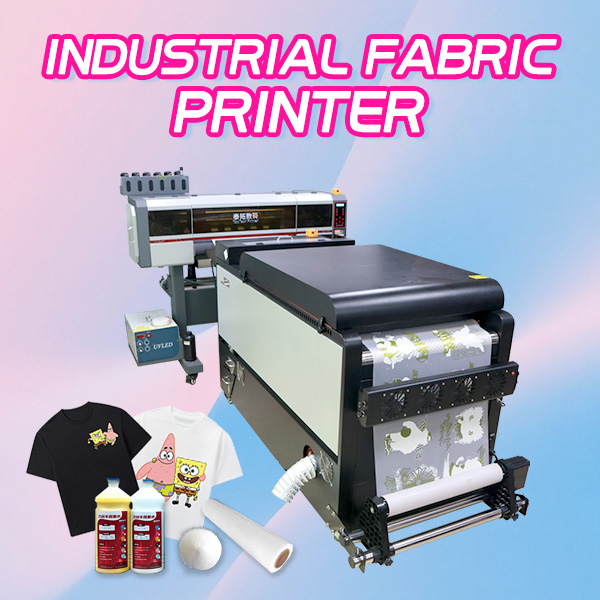
When selecting an industrial fabric printer for your business, understanding the various options and specifications available is crucial. An industrial fabric printer is designed to produce high-quality prints on textiles and other materials, making it essential for businesses in sectors such as fashion, interior design, and promotional products. This article addresses key concerns for B2B buyers, including product specifications, sourcing reliable suppliers, installation guidance, application possibilities, and quality standards. By the end, you will have a clearer understanding of how to make an informed purchasing decision regarding sticker label printer. 
Our Products

How to Source Reliable Suppliers for Industrial Fabric Printers

How to Source Reliable Suppliers for Industrial Fabric Printers

Finding a trustworthy supplier for industrial fabric printers involves conducting thorough research and due diligence. Start by identifying manufacturers with a proven track record in the industry. Look for companies that adhere to quality management standards, such as ISO9001, which ensures consistent production quality.  

Consider the following steps when sourcing suppliers: 

Request Samples: Before making a significant investment, request samples of printed materials to evaluate print quality and color accuracy. 

Check References: Reach out to other businesses that have purchased from the supplier to gather insights on their experiences, focusing on aspects like customer service, product performance, and after-sales support. 

Review Certifications: Ensure the supplier holds necessary industry certifications, which can indicate a commitment to quality and safety. 

Examine Warranty and Support: A reputable supplier should offer a robust warranty and responsive customer support for troubleshooting and maintenance.

By following these guidelines, you can identify suppliers that align with your quality expectations and business goals.
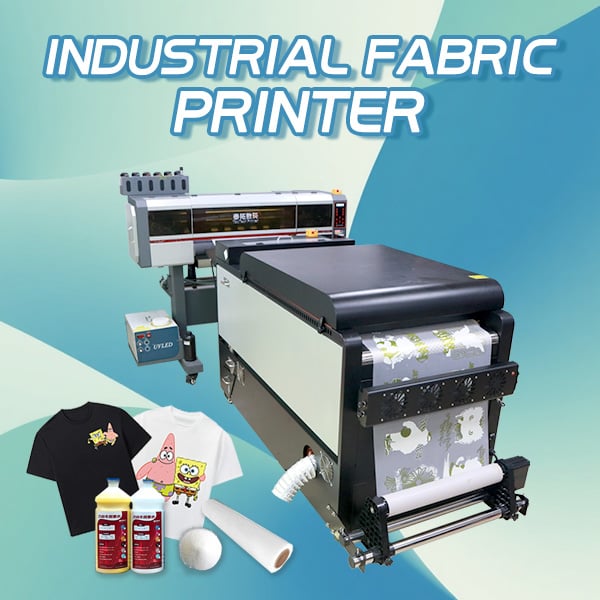
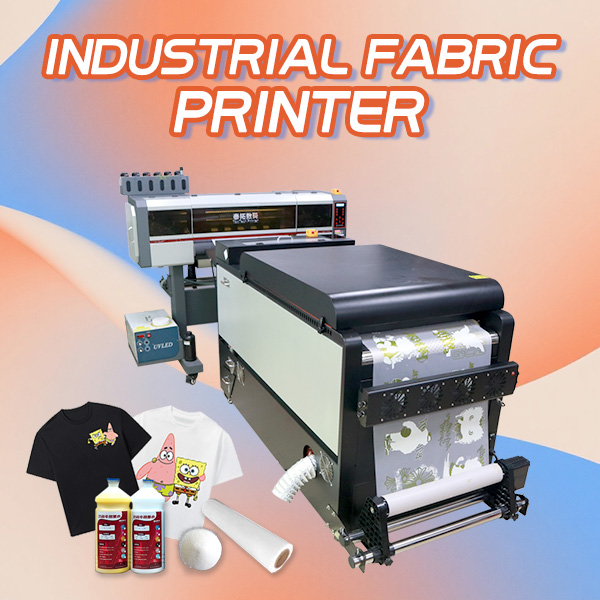
Installation Guidance for Maximizing Your Industrial Fabric Printer's Performance

Installation Guidance for Maximizing Your Industrial Fabric Printer's Performance

Proper installation is critical to ensuring the long-term performance of your Titanjet industrial fabric printer. Here are essential steps to follow: 

Site Preparation: Ensure the installation area is clean, well-ventilated, and has adequate space for the printer and any associated equipment. Consider factors such as electrical supply and connectivity to other devices. 

Calibration: Once installed, calibrate the printer according to the manufacturer’s specifications to optimize print quality. This may include adjusting print heads, ink flow, and color settings. 

Training: Invest in training for your staff on how to operate the color label printer effectively. Familiarizing them with the printer's software and maintenance routines will enhance productivity and reduce errors. 

Regular Maintenance: Establish a regular maintenance schedule to clean print heads and check for software updates to ensure consistent performance. 

Implementing these practices will help maximize the output and lifespan of your industrial fabric printer.

Exploring Applications of Industrial Fabric Printers in Various Industries

Exploring Applications of Industrial Fabric Printers in Various Industries

Industrial fabric printers are versatile and can be used across multiple sectors. Here are some key applications: 

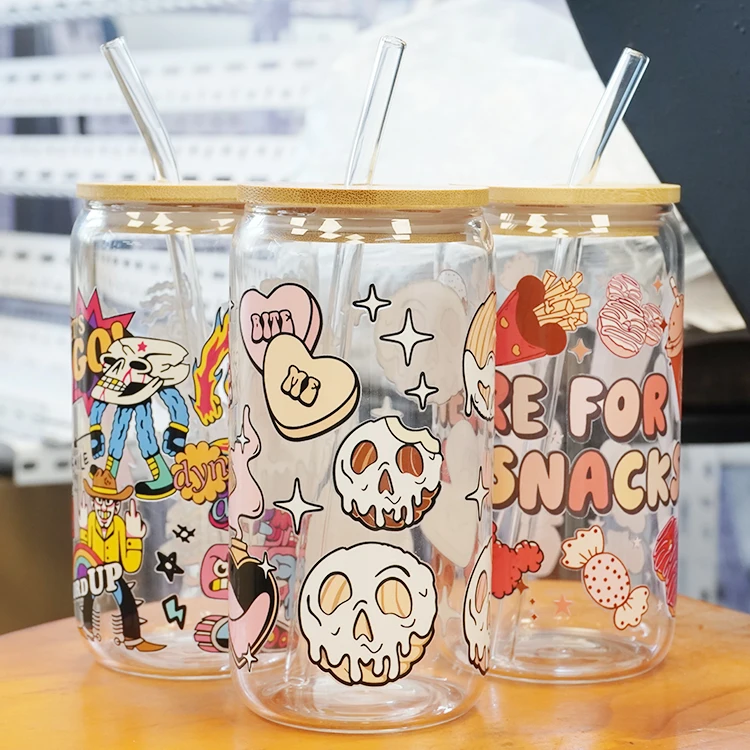
Fashion and Apparel: Custom designs and patterns can be printed on various fabrics, allowing for unique clothing lines and promotional merchandise. 

Home Décor: Printers can produce vibrant prints on materials for curtains, upholstery, and wall coverings, catering to interior design needs. 

Promotional Products: Businesses can create branded items such as bags, banners, and flags, offering a personalized touch that stands out in marketing efforts. 

Textile Art and Craft: Artists and crafters utilize fabric printers for creating custom art pieces, quilts, and other textile-based projects. 

Understanding these applications helps businesses recognize the potential of industrial fabric printers in expanding their product offerings.

Comparing Quality Standards of Leading Industrial Fabric Printer Brands

When evaluating Titanjet industrial fabric printer brands, it's essential to compare their quality standards to ensure you are making a sound investment. Look for the following aspects: 

Material Quality: The materials used in industrial label printer components can affect durability and performance. Brands that prioritize high-quality materials may offer longer-lasting products. 

Print Quality: Investigate user reviews and case studies to gauge the print quality across different brands. Consistency in color, sharpness, and durability of prints is crucial. 

Technical Support: Brands that provide excellent after-sales support and resources contribute to smoother operations. This can include troubleshooting, software updates, and maintenance tips.  

Warranty and Service Agreements: Compare warranty options and service agreements among brands to understand the level of support you can expect post-purchase. 

By systematically comparing these quality standards, you can select a brand that aligns with your business's reliability and performance needs. 

With a thorough understanding of these critical aspects, you can confidently navigate the purchase  of an industrial fabric printer that meets your specific business requirements and helps drive operational success.

Choosing the Right Industrial Fabric Printer for Your Business Needs

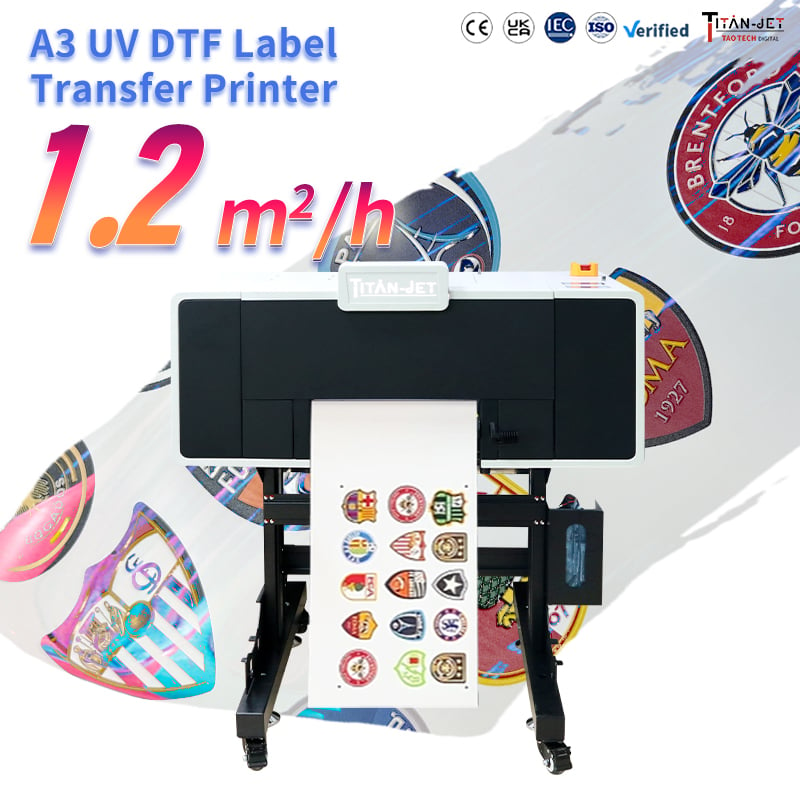
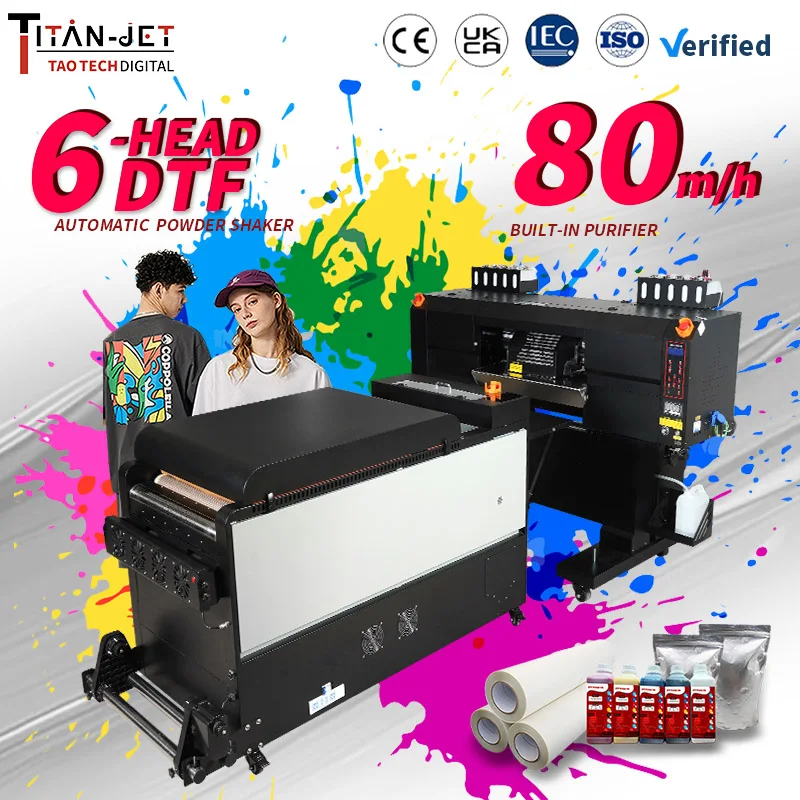
Selecting the right Titanjet industrial fabric printer depends on several factors, including the intended application, print speed, resolution, and material compatibility. Buyers should first assess their specific needs, such as the types of fabrics they will print on—be it cotton, polyester, or blended materials. 

Key specifications to consider include: 

Print Speed: Measured in square meters per hour, this affects production efficiency. A printer that can handle higher speeds may be more suitable for larger orders or busy production environments.  

Resolution: The quality of the print is often defined in dots per inch (DPI). A higher DPI generally indicates better print quality, which is crucial for detailed designs. 

Material Compatibility: Ensure the printer is capable of handling the specific materials you plan to use. Some printers may be optimized for specific types of inks or substrates. 

Customization Options: Many manufacturers, including TaoTech, offer customizable features that align with specific business needs, including color management systems and software compatibility. 

Understanding these specifications will significantly enhance your decision-making process and help ensure that the printer meets your operational requirements.

Frequently Asked Questions

What applications suit the industrial fabric printer?

Ideal for garments, home textiles, banners, upholstery, and custom fabric panels requiring high-resolution, full-color printing with fast production speeds and consistent quality.
Uses advanced digital inkjet technology compatible with pigment/solvent and textile-grade inks optimized for fabric adhesion and washfastness; ink type depends on model and substrate.
Built for high-speed commercial use with adjustable speeds; supports high-resolution output up to 1440 dpi (model-dependent) for sharp, detailed prints at production throughput.
Designed by an in-house R&D team and manufactured under ISO9001 quality management, with rigorous testing for stability, durability, and consistent performance.
We offer global technical support, spare parts, training, and documentation. Export experience covers 100+ countries; shipping and service packages vary by region.

Our Blog Posts

Comparison of Different A3 DTF Printers on the Market

27

Mar

Comparison of Different A3 DTF Printers on the Market

When looking buy A3 DTF printer, many option available today. These printer popular because they can print design direct on differnt materials, like fabric and hard surface. Titanjet offer range of them, make easier for bussiness to find right one. C...
View More
UV DTF vs. Traditional Printing Methods: Key Differences

27

Mar

UV DTF vs. Traditional Printing Methods: Key Differences

UV DTF printing and traditonal printing methods is two ways to put desgins on materials. UV DTF stand for Ultra-Violet Direct to Film. This way uses UV light to dry ink quick. On other hand, old methods like screen printing been used many years. Both...
View More
Exploring how Crystal Label Printer enhances label quality and added value in high-end gift packaging label printing through innovative processes such as hot stamping and double-sided printing

30

Jun

Exploring how Crystal Label Printer enhances label quality and added value in high-end gift packaging label printing through innovative processes such as hot stamping and double-sided printing

Investigating how Crystal label printer improve the quality of labels and added value in high-end gift packaging label printers market with innovation. Getting Better Labels Out Of Your Crystal Label PrinterGift packaging labels of good quality ...
View More
How to Clean and Calibrate Your Industrial Fabric Printer Without Voiding the Warranty

16

Jun

How to Clean and Calibrate Your Industrial Fabric Printer Without Voiding the Warranty

Cleaning and calibrate your industrial fabric printer are very important for keep it running good. If you own a Titanjet printer, you wants to make sure it stay in great shape without breaking warranty rules. This mean you need clean it properly and ...
View More

Get a Free Quote

Our representative will contact you soon.
Email
Mobile/WhatsApp
Name
Company Name
Message
0/1000
Choosing the Right Industrial Fabric Printer

Get a Free Quote

Our representative will contact you soon.
Email
Mobile/WhatsApp
Name
Company Name
Message
0/1000