EN

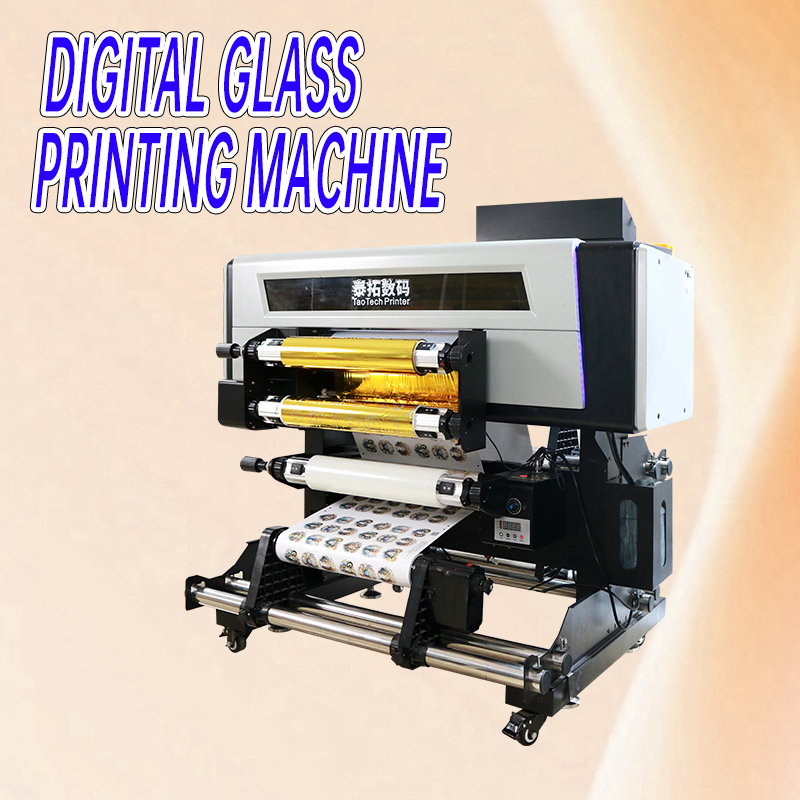
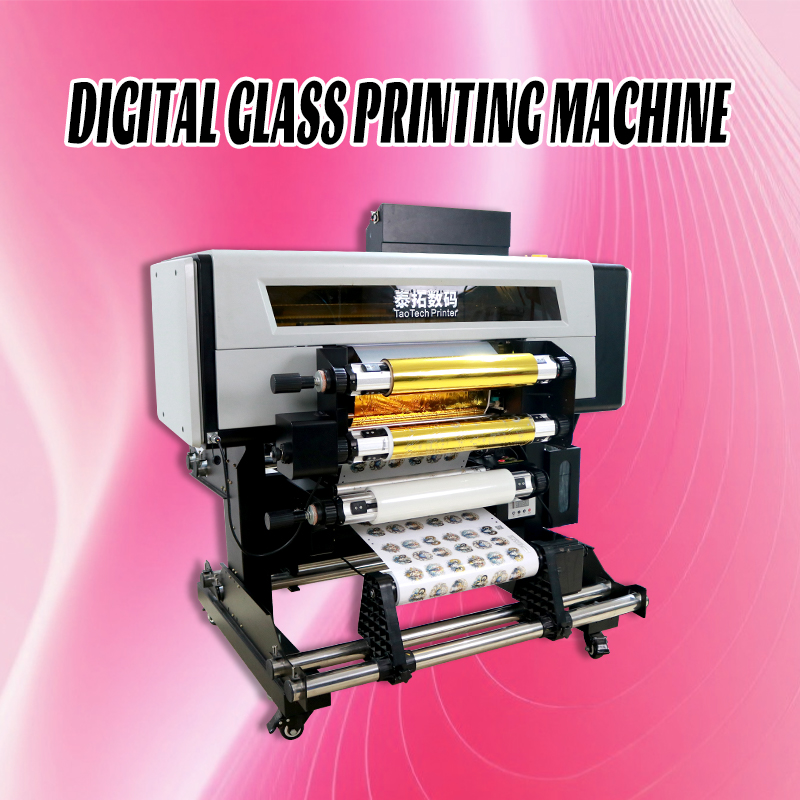
Digital glass printing machines are innovative solutions that enable precise, high-quality printing on glass surfaces for various applications. As a purchasing manager or product manager, you might have specific concerns regarding the specifications, costs, installation, and common issues related to these machines. This article aims to guide you through the essential considerations when evaluating digital glass printing machines, ensuring you make informed purchasing decisions that align with your business needs.
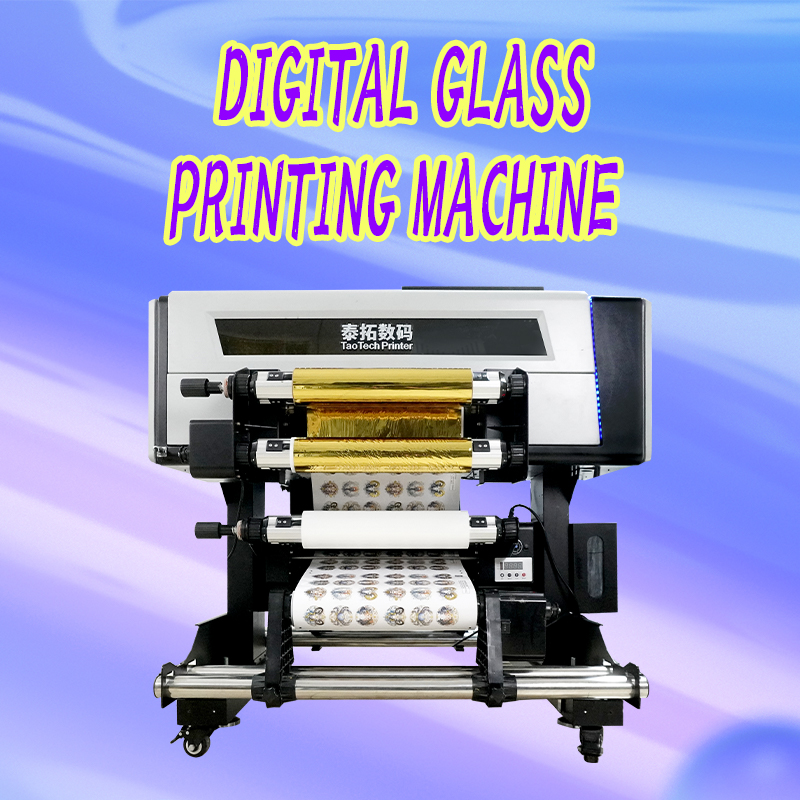
Understanding the Cost Factors of Digital Glass Printing Solutions
The cost of digital glass printing machines can vary significantly based on several factors:
Initial Investment: The upfront cost of the machine itself is a major factor. High-end models with advanced features and capabilities tend to have a higher price tag. Consider your budget and the expected return on investment.
Operating Costs: Evaluate ongoing costs, including ink, maintenance, and energy consumption. Machines that require less frequent servicing or use energy-efficient technology can reduce long-term expenses.
Custom Features: If your production requires specific customizations or features, such as specialty inks or additional print heads, these can increase the overall cost. Ensure that any customization aligns with your business needs to justify the additional expense.
Training and Support: Factor in the costs associated with training staff to operate the new machine effectively. Some manufacturers offer comprehensive training programs that can enhance operational efficiency. For example, the 6 head DTF AUTOMATIC POWDER SHAKER includes extensive support for users.
By understanding these cost factors, you can better assess the total investment required for integrating a digital glass printing machine into your operations.